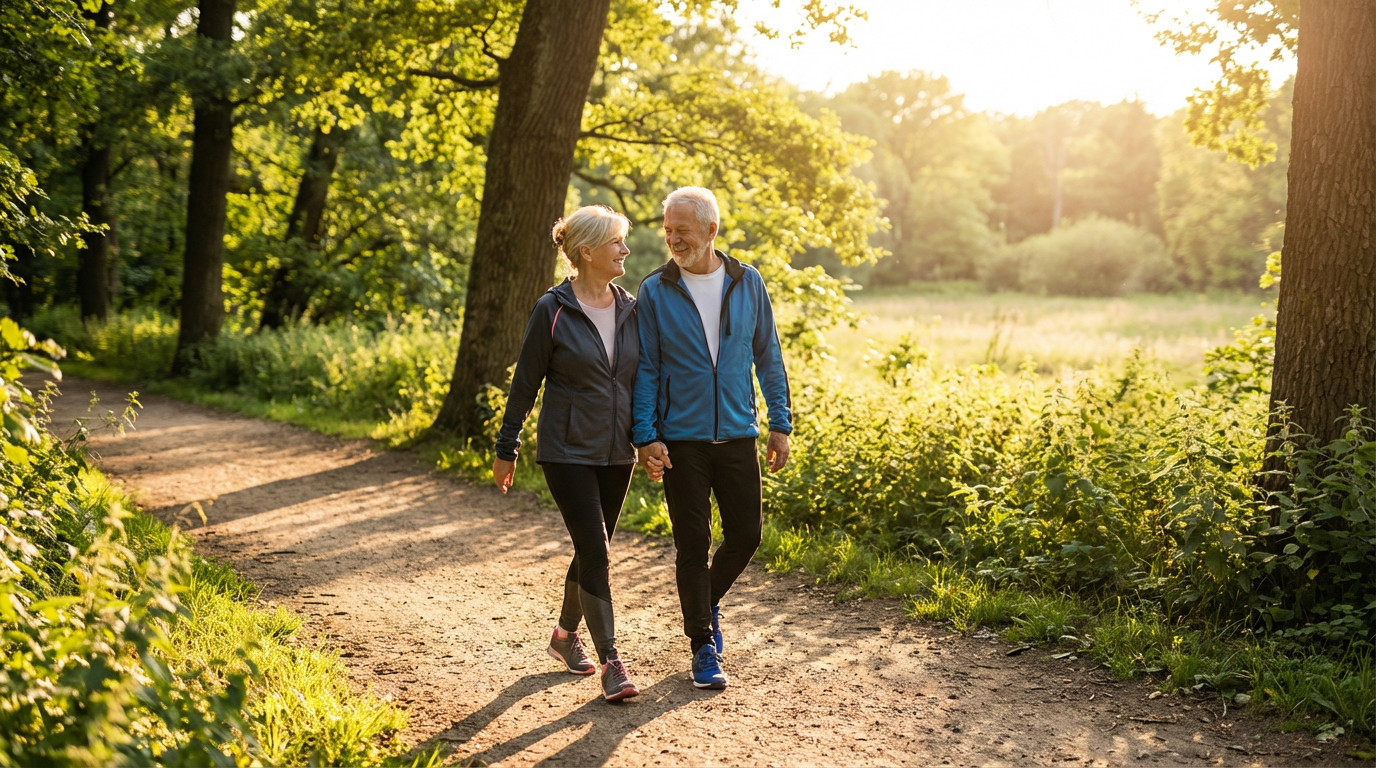
Aging is not a choice. Every single one of us will grow older — that part is non-negotiable. But how you age? That is entirely up to you. The speed at which your body deteriorates, the quality of your daily life at 50, 60, 70, and beyond — these are outcomes you can influence starting today. And the single most powerful tool you have is not a pill, not a supplement, not a surgical procedure. It is exercise — the only free medicine that is scientifically proven to work.
The Four Pillars of Aging
Regardless of gender, four critical systems define how well — or how poorly — you age:
- The Hormonal System — the master regulator of metabolism, mood, muscle, bone, and energy. As we age, hormone production declines, triggering a cascade of changes throughout the body.
- Muscle Mass (Sarcopenia) — after the age of 30, adults lose approximately 3–8% of muscle mass per decade. After 60, the rate accelerates dramatically. Loss of muscle means loss of strength, mobility, independence, and metabolic health.
- Bone Density (Osteoporosis Risk) — peak bone mass is reached around age 30. After that, bones gradually lose density. Without intervention, this can lead to osteoporosis, fractures, and a significantly reduced quality of life.
- How We Feel — energy levels, mood stability, cognitive sharpness, sleep quality, and emotional resilience all shift with age. Depression, anxiety, and cognitive decline are not inevitable — but they become far more likely without physical activity.
How Women Age: The Menopause Reality
For women, the most significant hormonal shift happens during menopause, typically between ages 45 and 55. Estrogen levels drop sharply, and the consequences are profound:
- Accelerated bone loss — women can lose up to 20% of their bone density in the 5–7 years following menopause. Estrogen plays a direct role in bone remodeling, and its absence leaves bones vulnerable.
- Rapid muscle decline — the drop in estrogen accelerates sarcopenia. Without resistance training, women lose muscle at a rate that directly impacts mobility, balance, and fall risk.
- Mood and cognitive changes — estrogen influences serotonin and dopamine production. Its decline is linked to increased rates of depression, anxiety, brain fog, and sleep disruption.
- Metabolic slowdown — body composition shifts toward more fat and less lean tissue, increasing the risk of cardiovascular disease, type 2 diabetes, and metabolic syndrome.
The evidence is clear: strength training is the single most effective intervention for menopausal women. Studies published in the Journal of Bone and Mineral Research show that resistance exercise directly stimulates bone formation, preserves lean muscle, improves insulin sensitivity, and significantly reduces depression and anxiety symptoms. Combined with cardiovascular exercise, it becomes a complete defense system against the effects of menopause. Explore our training programs designed for every fitness level.
How Men Age: The Testosterone Decline
For men, the hormonal shift is more gradual but equally impactful. Testosterone levels begin declining at approximately 1% per year after age 30. By age 50, many men have lost 20–30% of their peak testosterone. The effects include:
- Muscle and strength loss — testosterone is the primary anabolic hormone in men. Its decline directly reduces the body's ability to build and maintain muscle, leading to weakness, reduced physical capacity, and increased injury risk.
- Increased body fat — lower testosterone promotes fat storage, particularly visceral (abdominal) fat, which is strongly associated with heart disease, stroke, and metabolic dysfunction.
- Mood, energy, and motivation decline — low testosterone is linked to fatigue, irritability, depression, reduced libido, and poor sleep quality. Many men describe it as "losing their edge."
- Bone density reduction — while less dramatic than in women, men also experience bone loss with declining testosterone, increasing fracture risk in later decades.
Research published in the Journal of Clinical Endocrinology & Metabolism consistently shows that resistance training is the most effective natural method to maintain and even boost testosterone levels. Compound exercises — squats, deadlifts, presses, rows — stimulate the highest hormonal response. This is not about vanity. It is about preserving your body's fundamental ability to function. Check out our workout library for structured, science-based sessions.
Exercise: The Only Free Medicine That Works
No pharmaceutical intervention matches the breadth of benefits that regular physical activity provides. Consider what exercise does:
- Preserves and builds muscle mass — resistance training directly combats sarcopenia, regardless of age or gender. Studies show significant muscle gains even in adults over 80.
- Strengthens bones — weight-bearing and resistance exercises stimulate osteoblast activity (bone-building cells), maintaining or increasing bone mineral density.
- Regulates hormones — exercise improves estrogen metabolism in women and supports testosterone production in men. It also regulates cortisol, insulin, and growth hormone.
- Protects the heart — cardiovascular exercise reduces blood pressure, improves cholesterol profiles, and lowers the risk of heart disease by up to 50%.
- Improves mental health — exercise is as effective as antidepressants for mild-to-moderate depression (Harvard Medical School). It enhances neuroplasticity, reduces anxiety, and improves cognitive function.
- Enhances sleep quality — regular physical activity improves both sleep duration and sleep depth, which is critical for recovery and hormonal regulation.
The World Health Organization recommends at least 150–300 minutes of moderate-intensity or 75–150 minutes of vigorous-intensity physical activity per week, combined with muscle-strengthening activities on 2 or more days. Yet fewer than 25% of adults worldwide meet these guidelines. Explore our exercise library to find movements suited to your level.
It Starts With a Decision
You cannot stop time. You cannot prevent menopause or halt testosterone decline. But you can decide how you respond to these changes. Every workout you complete is an investment in your future self — in your ability to walk without pain, lift without fear, sleep without pills, and live without dependence.
Aging is not optional. But aging well is a choice you make every single day. The gym is not just a place for the young. It is where you build the body and mind that will carry you through the decades ahead. Start with our training programs, fuel your body with our Daily Smarty Ritual, and take ownership of how you age.
Before starting any new exercise program, please review our health disclaimer and PAR-Q screening to ensure safe participation.