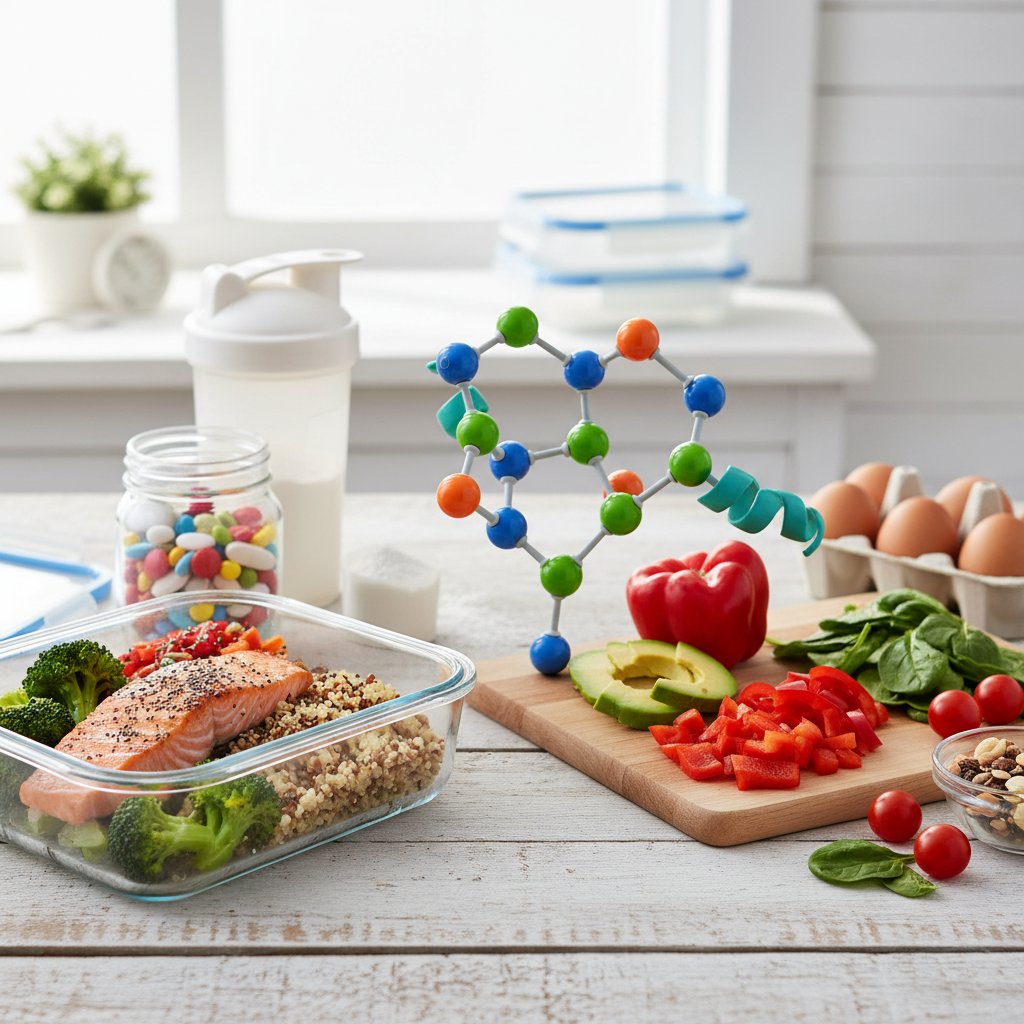
When we discuss hypertrophy and athletic longevity at SmartyGym, we often focus on the volume of training. However, the true architect of cellular change is the molecular profile of your diet. While most athletes understand that ‘protein builds muscle,’ few grasp the intricate nuances of Amino Acid Bioavailability and the specific thresholds required to trigger the metabolic switch for growth. To truly optimize your physique, you must move beyond counting grams and start understanding the biological value of your fuel.
The Leucine Threshold and Triggering Synthesis
The primary driver of Muscle Protein Synthesis (MPS) is the mammalian target of rapamycin (mTOR) pathway. This pathway acts as a nutritional sensor; it only activates when specific conditions are met. Central to this activation is the essential amino acid Leucine. Research suggests that for an adult, a bolus of 2.5 to 3 grams of Leucine is required to reach the ‘Leucine Threshold,’ signaling the body to transition from a catabolic state to an anabolic one.
This is why source quality matters. While 30 grams of protein from whey might easily hit this threshold, the same amount from certain plant-based sources may fall short due to a less robust amino acid profile. To ensure your intake matches your energy expenditure, utilizing our Calorie Calculator can help you determine the total volume of food needed to support these high-quality protein targets.
Bioavailability: Not All Protein is Created Equal
In the world of sports science, we use the Protein Digestibility Corrected Amino Acid Score (PDCAAS) and the more modern DIAAS to measure how effectively the body can utilize a protein source. Animal-derived proteins like eggs, dairy, and lean meats typically score a 1.0 (the highest possible), meaning they provide all essential amino acids in the correct proportions.
For those following plant-dominant regimes, the challenge lies in ‘limiting amino acids.’ For instance, grains are often low in lysine, while legumes are low in methionine. By pairing these sources—such as rice and beans—you create a complete protein profile. Regardless of your dietary preference, your foundational energy requirements remain the same; calculating your baseline with a BMR Calculator is the first step in ensuring your protein isn't being oxidized for energy rather than used for tissue repair.
The Anabolic Window Myth vs. Protein Pacing
Evidence-based nutrition has largely debunked the ‘30-minute anabolic window’ as a strict requirement, yet timing is not irrelevant. The concept of Protein Pacing involves consuming high-quality protein every 3 to 4 hours. This strategy maintains a positive nitrogen balance and keeps MPS elevated throughout the day.
- Morning: Break the overnight fast with 30-40g of rapid-digesting protein to halt muscle breakdown.
- Pre-Workout: A small dose of essential amino acids can provide a buffer against muscular fatigue.
- Post-Workout: Focus on a combination of fast and slow-digesting proteins to support long-term recovery.
- Before Sleep: Casein protein is ideal here due to its slow-release properties, providing a steady stream of aminos while you drift through REM cycles.
Synergy Between Micronutrients and Protein Absorption
Protein does not work in a vacuum. Efficient protein synthesis requires a host of enzymatic co-factors. Vitamin B6 (Pyridoxine) is essential for amino acid metabolism, while Zinc plays a pivotal role in DNA synthesis and cell division. Furthermore, the presence of insulin—triggered by moderate carbohydrate intake—assists in the transport of amino acids into the muscle cells.
This holistic approach to nutrition is what we call the Daily Smarty Ritual. It is the practice of combining macronutrient precision with micronutrient density to ensure that every gram of protein you consume is utilized to its maximum potential. Without these co-factors, even a high-protein diet can result in subpar recovery and stagnated progress in the gym.
Integrating Nutrition into Your Training Cycle
The final pillar of protein mastery is periodization. Your nutritional needs are not static; they should reflect the intensity of your current training programs. During a ‘bulking’ or mass-gain phase, the surplus of calories provides an anabolic environment where protein requirements might actually be slightly lower (around 1.6g/kg of body weight) because carbohydrates are ‘protein sparing.’
Conversely, during a fat-loss phase or a ‘cut,’ protein requirements actually increase (up to 2.2g/kg or higher). This is because the body is more likely to tap into muscle tissue for energy in a caloric deficit. Maintaining a high protein intake during these periods is the only way to preserve lean mass while the body oxidizes adipose tissue. By understanding the molecular science of protein, you transition from a casual gym-goer to a technician of your own physiology, ensuring that every rep in the weight room is backed by the chemical building blocks necessary for transformation.