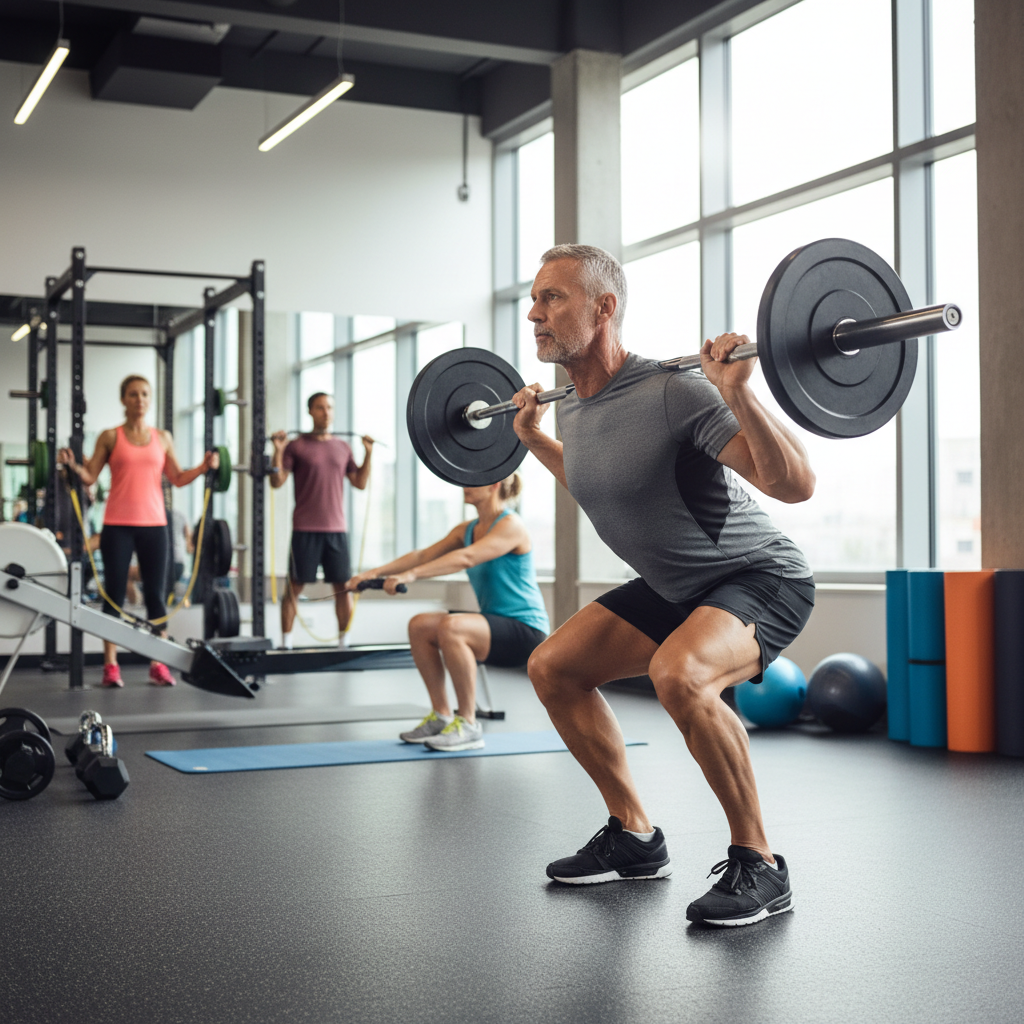
Turning 50 is not a signal to slow down—it's a powerful reason to start moving smarter. Science consistently shows that regular exercise after 50 can reverse decades of decline, rebuild lost muscle, strengthen bones, and even rejuvenate your hormonal system. Whether you're a man or a woman, the benefits of fitness in your 50s and beyond are nothing short of transformative.
The Normal Decline: What Happens After 50
After age 30, adults lose approximately 3-8% of muscle mass per decade, a condition known as sarcopenia. After 50, this rate accelerates significantly. Bone density drops, joint flexibility decreases, metabolism slows, and hormonal levels shift—testosterone declines in men, and estrogen plummets in women during menopause. The good news? Exercise is the single most effective intervention against every one of these changes.
Preventing Muscle Loss and Building Strength
Resistance training is non-negotiable for adults over 50. Studies published in the Journal of Aging and Physical Activity show that adults who strength train just 2-3 times per week can reverse up to a decade of muscle loss within 12 weeks. Our expert-designed workouts include options for every fitness level, from bodyweight routines to full equipment sessions.
Progressive overload—gradually increasing weight, reps, or sets—is the key to continuous improvement. Track your lifting progress with our One Rep Max Calculator to ensure you're training at the right intensity.
Bone Health and Osteoporosis Prevention
After 50, both men and women face accelerated bone density loss. Women are particularly vulnerable post-menopause, when estrogen-related bone protection diminishes rapidly. Weight-bearing exercises—squats, lunges, deadlifts, walking, and stair climbing—stimulate osteoblast activity, the cells responsible for building new bone tissue.
Research from the British Journal of Sports Medicine shows that resistance training combined with impact exercises can increase bone mineral density by 1-3% annually, effectively reversing age-related bone loss. Browse our structured training programs for progressive routines designed with joint health in mind.
Injury Prevention Through Strength and Mobility
Falls are the leading cause of injury-related hospitalisation for adults over 65. The foundation of fall prevention is strength, balance, and flexibility—all of which improve dramatically with regular exercise. Strengthening the muscles around your knees, hips, and ankles creates a protective framework that reduces injury risk by up to 50%.
Dynamic warm-ups, mobility drills, and controlled cool-down stretches should bookend every workout. Explore the bodyweight vs equipment training comparison to find the approach that works best for your body.
Hormonal Benefits of Exercise
Exercise is one of the most powerful natural regulators of the endocrine system. For men over 50, resistance training has been shown to increase testosterone levels by 15-20% and boost growth hormone secretion by up to 400% during intense sessions. For women, exercise improves insulin sensitivity, reduces cortisol levels, and supports balanced estrogen metabolism.
Both sexes benefit from improved thyroid function, enhanced serotonin and dopamine production, and better blood sugar regulation. Understanding your body's caloric needs is essential for supporting these hormonal processes—use our BMR Calculator to find your baseline metabolic rate.
Cardiovascular and Metabolic Health
Heart disease remains the leading cause of death worldwide, and the risk increases sharply after 50. Regular cardiovascular exercise—even moderate-intensity walking for 30 minutes daily—reduces the risk of heart attack by 30-40%. Combined with resistance training, the effects on blood pressure, cholesterol, and arterial health are profound.
Exercise also combats metabolic syndrome, a cluster of conditions including high blood pressure, elevated blood sugar, and excess abdominal fat. Calculate your daily energy needs with our Calorie Calculator to support your cardiovascular training with proper nutrition.
Mental Health, Cognitive Function, and Quality of Life
The brain benefits of exercise are extraordinary. Regular physical activity increases brain-derived neurotrophic factor (BDNF), which supports the growth of new neurons and protects existing ones. Studies show that adults over 50 who exercise regularly have a 30% lower risk of cognitive decline and dementia.
Beyond cognition, exercise is a proven treatment for depression and anxiety, often matching the effectiveness of medication. It improves sleep quality, boosts self-confidence, and creates social connections through group training. Learn about the science of sleep and how it amplifies your training results.
Practical Guidelines for Men and Women Over 50
The ideal exercise programme for adults over 50 includes:
- Resistance training: 2-4 sessions per week targeting all major muscle groups
- Cardiovascular exercise: 150 minutes of moderate or 75 minutes of vigorous activity weekly
- Flexibility and mobility: Daily stretching and at least 2 dedicated mobility sessions per week
- Balance training: 2-3 sessions per week, especially important for injury prevention
If you're new to exercise or returning after a long break, complete our PAR-Q health screening before starting, and consider beginning with lower-intensity programs that progressively increase over 4-8 weeks.
Start Your Transformation Today
Age is not a barrier—it's a motivator. Every workout you do after 50 is an investment in a longer, stronger, more independent life. Browse our workout library for sessions designed for all levels, follow a structured training program for guided progression, and let the Daily Smarty Ritual support your overall wellness every single day.