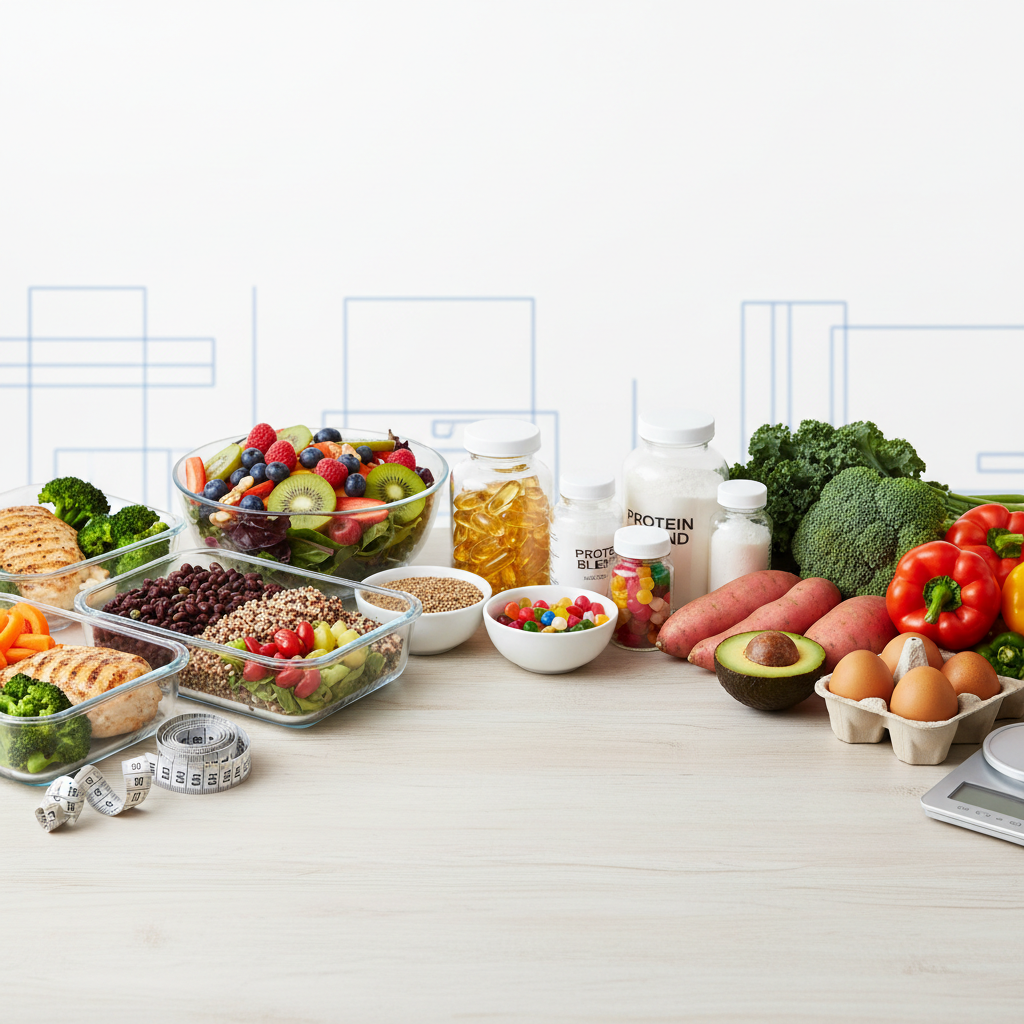
The End of Extreme Dieting
The era of elimination diets, extreme caloric restriction, and demonising entire food groups is fading. In its place, a more practical and science-backed approach is emerging: high-protein, high-fiber, gut-friendly nutrition. Recent consumer data shows that people are actively seeking foods that support digestion, energy, body composition, and long-term health — all without the misery of restrictive dieting.
Nearly a quarter of consumers now actively look for high-protein options when shopping, while demand for high-fiber products has surged as gut health awareness grows. This is not a short-lived trend — it reflects a fundamental shift in how people think about food and performance.
Why Protein Still Matters — More Than Ever
Protein has always been important for muscle repair and growth, but modern nutrition science highlights additional benefits that make it essential for adults over 30:
- Muscle preservation during fat loss — higher protein intake protects lean mass when in a calorie deficit
- Satiety and appetite control — protein is the most filling macronutrient, reducing overall calorie intake naturally
- Thermic effect of food — protein requires more energy to digest than carbohydrates or fats, slightly boosting metabolism
- Bone health and aging — adequate protein supports bone density, which becomes critical after 40
For adults aiming to optimise body composition, a daily intake of 1.6 to 2.2 grams of protein per kilogram of body weight is well-supported by research. You can use our Calorie Calculator to determine your daily energy needs, then build your protein target around that foundation.
Fiber Layering: The Gut Health Game-Changer
While protein gets the headlines, fiber is quietly becoming the most underrated nutrient in modern nutrition. A new concept called fiber layering is gaining traction among nutrition scientists and dietitians. The idea is simple but powerful: instead of just eating "more fiber," you diversify the types of plant fibers you consume to feed a wider variety of gut bacteria.
Different fibers serve different purposes:
- Soluble fiber (oats, beans, lentils) — slows digestion, stabilises blood sugar, feeds beneficial bacteria
- Insoluble fiber (whole grains, vegetables, nuts) — promotes regular bowel movements and gut motility
- Resistant starch (cooled potatoes, green bananas, legumes) — acts as a prebiotic, fueling short-chain fatty acid production
- Prebiotic fibers (garlic, onions, asparagus, chicory root) — specifically nourish beneficial gut bacteria like Bifidobacteria
The research is clear: a diverse gut microbiome is linked to better immune function, improved mental health, reduced inflammation, and even more efficient fat metabolism. Fiber layering is the practical way to achieve that diversity.
Gut Health Is the New Body Composition Strategy
Here is what many people miss: gut health directly influences body composition. Studies show that individuals with a more diverse gut microbiome tend to have lower body fat percentages and better metabolic markers. The mechanisms include:
- Improved nutrient absorption — your body extracts more value from the food you eat
- Better insulin sensitivity — reducing fat storage and improving energy utilisation
- Reduced systemic inflammation — chronic inflammation drives fat gain and muscle loss
- Enhanced production of short-chain fatty acids — which regulate appetite and fat metabolism
Understanding your baseline metabolic rate is essential for any nutrition strategy. Our BMR Calculator helps you establish the foundation before layering protein, fiber, and gut-friendly foods on top.
Building Your High-Protein, Gut-Friendly Plate
Combining high protein with gut-friendly nutrition does not require complicated meal plans. Here is a practical framework for each meal:
- Protein anchor — build every meal around a quality protein source (eggs, Greek yogurt, chicken, fish, tofu, legumes)
- Fiber diversity — include at least two different fiber sources per meal (vegetables, whole grains, beans, nuts)
- Fermented foods — add one serving daily (kefir, sauerkraut, kimchi, natural yogurt, miso)
- Healthy fats — include sources that also support gut health (olive oil, avocado, nuts, seeds)
- Hydration — fiber needs water to work properly; aim for at least 2 litres daily
This approach works whether your goal is fat loss, muscle building, or simply feeling better every day. Pair this nutrition strategy with structured exercise from our workout library and training programs for maximum results.
The Longevity Connection
For adults over 30, the combination of high protein and gut-friendly eating is not just about looking good — it is a longevity strategy. Research on centenarian populations consistently shows that diets rich in diverse plant fibers, adequate protein, and fermented foods correlate with longer, healthier lives.
The practical takeaway: you do not need supplements, superfoods, or extreme protocols. You need consistent, whole-food-based nutrition that prioritises protein for muscle and metabolic health, diverse fiber for gut health, and fermented foods for microbiome diversity. Start your day with our Daily Smarty Ritual to build these habits into a sustainable routine.
Written by Haris Falas — Sports Scientist, CSCS Certified, 20+ years of experience in performance training and coaching.