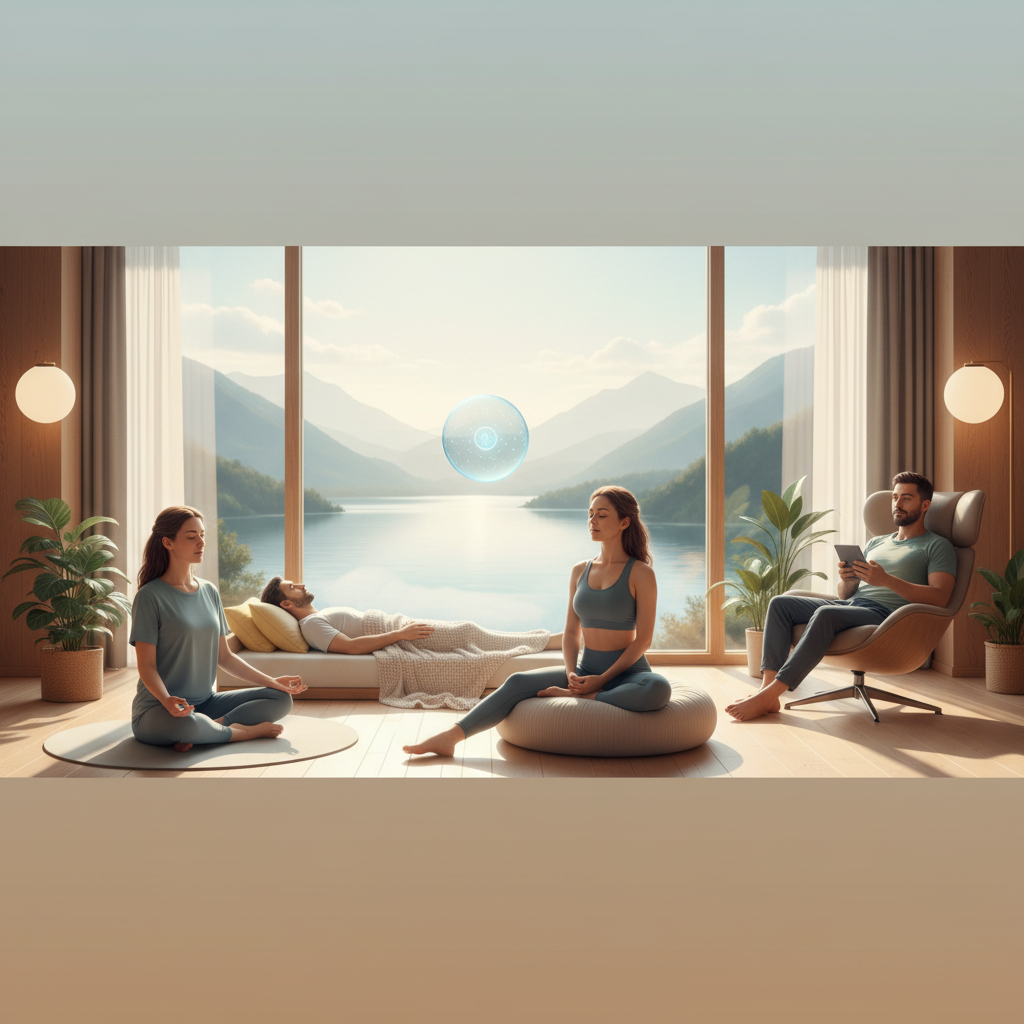
The Biggest Shift in Fitness History
Something remarkable is happening in the fitness industry. For decades, the primary motivation to exercise was aesthetics — losing weight, building muscle, looking better. But recent global data reveals a profound shift: mental wellbeing and happiness have become the top health goals for the majority of exercisers worldwide. Around 78% of people who exercise regularly now cite mental and emotional wellbeing as their primary reason to train.
This is not a minor trend. It represents the most significant change in exercise motivation in modern fitness history. People are no longer chasing a six-pack — they are chasing less stress, better sleep, more energy, and the ability to stay functional and independent well into their 60s, 70s, and beyond.
Exercise as Medicine for the Mind
The ACSM has tracked "exercise for mental health" climbing steadily in its global fitness trends survey, and for good reason. The scientific evidence supporting exercise as a treatment for mental health conditions is now overwhelming:
- Depression — regular exercise has been shown to be as effective as antidepressant medication for mild to moderate depression, with some studies showing superior long-term outcomes
- Anxiety — both aerobic and resistance training reduce anxiety symptoms, with effects visible after a single session and compounding over weeks
- Cognitive function — exercise increases brain-derived neurotrophic factor (BDNF), which supports memory, learning, and neuroplasticity
- Stress resilience — regular physical activity lowers baseline cortisol levels and improves the body's ability to recover from acute stress
- Sleep quality — moderate exercise improves sleep onset, duration, and deep sleep percentage
The key insight is that these benefits are dose-dependent but not extreme — you do not need to train like a professional athlete. Consistent, moderate exercise from our workout library delivers meaningful mental health improvements.
The Longevity Revolution
Alongside mental health, longevity and preventive health have emerged as dominant themes. People are increasingly interested in not just living longer, but living better for longer. This means maintaining:
- Functional strength — the ability to carry groceries, climb stairs, and play with grandchildren without limitation
- Cognitive sharpness — reducing the risk of dementia and age-related cognitive decline
- Metabolic health — keeping blood sugar, cholesterol, and blood pressure in healthy ranges without medication
- Joint health and mobility — maintaining pain-free movement through full ranges of motion
- Bone density — preventing osteoporosis through weight-bearing exercise
Research on longevity consistently identifies four pillars: regular physical activity, quality sleep, stress management, and social connection. Exercise is unique because it directly improves all four. Our training programs are designed with these principles in mind — structured progression that builds lasting functional capacity.
Sleep: The Underrated Performance Tool
No conversation about mental health and longevity is complete without addressing sleep. Despite growing awareness, most adults still underperform on sleep quality and duration. The consequences are severe:
- Poor sleep increases cortisol, driving fat storage and muscle breakdown
- Sleep deprivation impairs decision-making, emotional regulation, and impulse control
- Chronic poor sleep is linked to accelerated biological aging
- Recovery from exercise is dramatically reduced without adequate sleep
The good news is that regular exercise is one of the most effective natural sleep aids. For a deeper dive into optimising your sleep, read our comprehensive guide on the science of sleep and why rest is your secret weapon.
Practical Strategies for Stress, Sleep, and Longevity
Shifting your fitness approach toward mental health and longevity does not require a complete overhaul. Here are evidence-based strategies you can implement immediately:
- Train 3-5 days per week — combining resistance training and moderate cardio delivers the broadest mental health and longevity benefits
- Prioritise morning movement — even 10 minutes of morning exercise improves mood, focus, and cortisol regulation for the entire day
- Include breathwork — 5 minutes of controlled breathing (box breathing or physiological sighing) after training enhances parasympathetic recovery
- Protect your sleep window — aim for 7-9 hours, maintain consistent sleep and wake times, and limit screens 60 minutes before bed
- Add nature exposure — outdoor exercise provides additional mental health benefits through sunlight, fresh air, and reduced cortisol
- Build social connection into fitness — training with others or joining a community amplifies the mental health benefits of exercise
Start building these habits with our Daily Smarty Ritual, which guides you through morning, midday, and evening routines designed to support both mental and physical wellbeing.
The Future Is Preventive
The fitness industry is evolving from a reactive model ("I need to lose weight") to a preventive one ("I want to stay healthy, sharp, and resilient for decades"). This shift is being driven by consumers themselves — people who have experienced the mental health benefits of exercise and refuse to go back to a sedentary lifestyle.
The message is clear: the most valuable fitness investment you can make is not a new supplement or a trendy workout. It is consistent, moderate exercise paired with quality sleep and stress management. That is the real longevity protocol. Before beginning any new exercise program, we recommend completing our health disclaimer and PAR-Q screening to ensure safe participation.
Written by Haris Falas — Sports Scientist, CSCS Certified, 20+ years of experience in performance training and coaching.