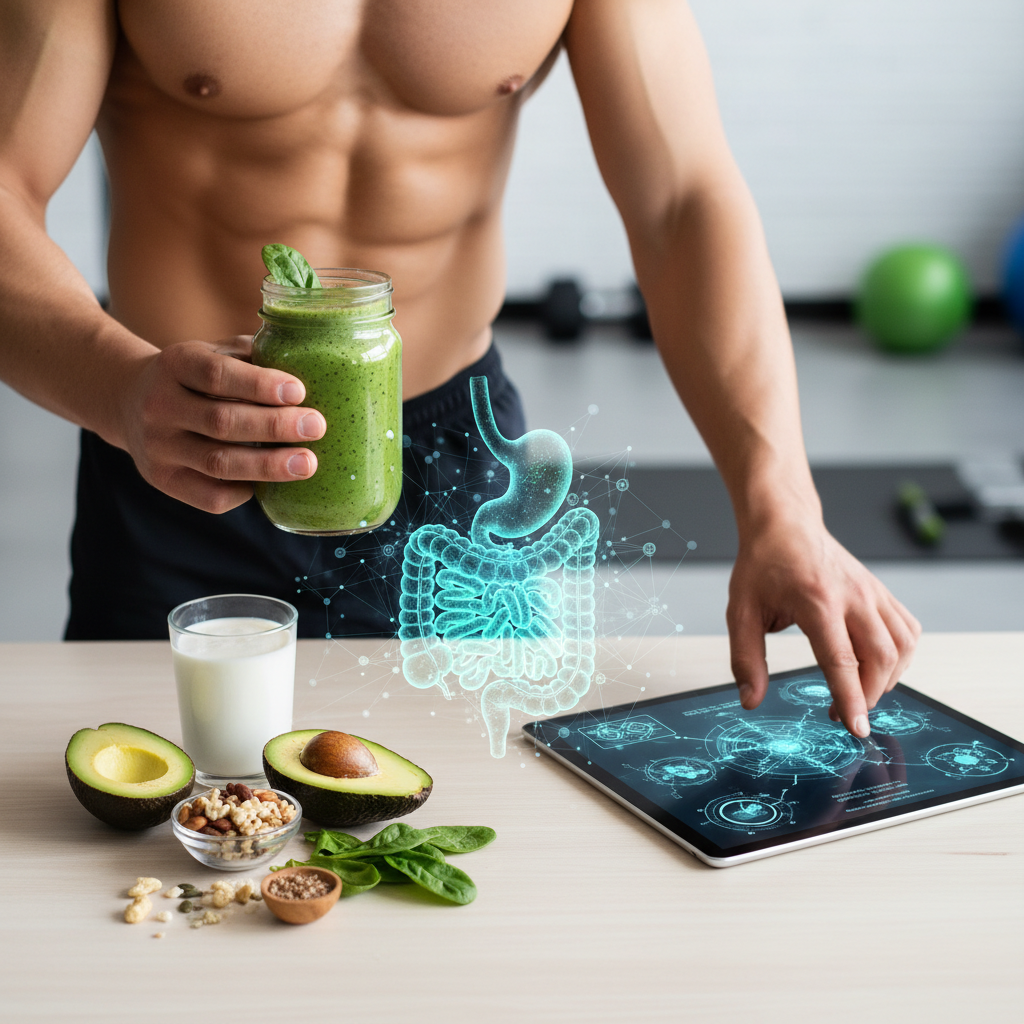
For decades, the fitness industry focused almost exclusively on the 'Big Three': protein, carbohydrates, and fats. However, as our understanding of sports science evolves, we are discovering that the true engine of athletic performance isn't just what we eat, but how our body processes it. At the heart of this process lies the gut microbiome—a complex ecosystem of trillions of microorganisms that dictate everything from nutrient bioavailability to systemic inflammation. For members of the SmartyGym community, mastering this internal environment is the next frontier in achieving peak physical condition.
The Enteric Nervous System and Athletic Output
The gut is often referred to as the 'second brain' due to the Enteric Nervous System (ENS), which communicates directly with the Central Nervous System (CNS) via the vagus nerve. For athletes, this gut-brain axis is critical. Research suggests that an imbalance in gut bacteria, known as dysbiosis, can lead to increased perceived exertion and decreased mental focus during high-intensity training. By fostering a diverse microbial profile, you can actually improve your stress response and resilience during a grueling workout library session.
Nutrient Bioavailability: Beyond the Macro-Count
You are not what you eat; you are what you absorb. Many fitness enthusiasts meticulously track their intake using a Calorie Calculator, but if the gut lining is compromised, much of those precious amino acids and micronutrients go to waste. Short-chain fatty acids (SCFAs) like butyrate, produced by beneficial bacteria, strengthen the intestinal barrier. This prevents 'leaky gut' syndrome, ensuring that high-quality nutrients reach your muscle tissues rather than triggering an immune response. To optimize this, focus on a high-diversity diet rich in polyphenols and varying fiber sources.
The Inflammation Modulation Strategy
Chronic inflammation is the enemy of progress. While acute inflammation is a necessary byproduct of training that triggers muscle hypertrophy, systemic inflammation slows down recovery and increases injury risk. Specific strains of bacteria, such as Bifidobacterium and Lactobacillus, have been shown in clinical settings to modulate cytokine production. By incorporating fermented foods and prebiotics, you can lower baseline inflammation levels, allowing you to return to your training programs with greater frequency and intensity.
Hydration and the Mucosal Barrier
The relationship between the gut and hydration is a two-way street. Proper hydration is essential for maintaining the mucosal lining of the gut, which serves as the primary habitat for beneficial microbes. Conversely, certain bacteria help regulate electrolyte balance and water absorption in the colon. When we look at the science of fluid dynamics, it is clear that gut health is a prerequisite for cellular hydration. This is why many elite athletes now incorporate gut-supportive minerals as part of their preparation for endurance or hypertrophy-focused blocks.
Practical Integration for the Modern Athlete
Building a performance-grade microbiome doesn't require a total dietary overhaul, but rather strategic, consistent adjustments. Consider these evidence-based steps:
- Diverse Fiber Intake: Aim for 30+ different plant-based foods per week to feed a wider variety of bacterial strains.
- Fermented Catalysts: Include kefir, sauerkraut, or kimchi daily to introduce live cultures into the environment.
- Restorative Windows: Allow the gut to rest through controlled feeding windows, which supports the Migrating Motor Complex (MMC) in clearing cellular debris.
- Manage Stress: High cortisol levels negatively impact gut permeability; prioritize sleep and recovery protocols.
Ultimately, the goal is to create a symbiotic relationship between your nutrition and your internal biology. When your gut is optimized, every other metric—from your metabolic rate to your power output—follows suit. To establish a baseline for your foundational energy needs before starting a gut-optimization protocol, utilize our BMR Calculator to ensure you are meeting your physiological demands.