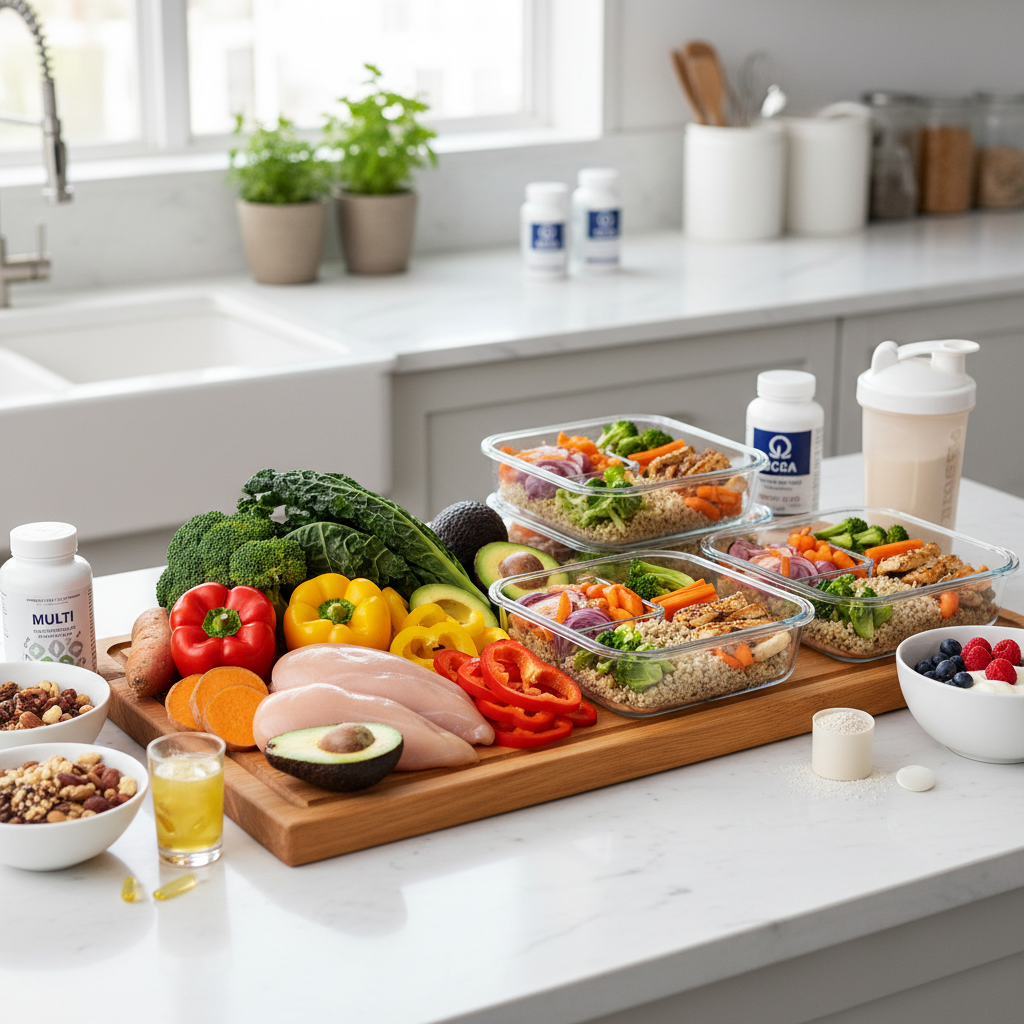
Protein is the most critical macronutrient for muscle growth, yet it's surrounded by confusion and misinformation. This masterclass gives you the science-backed truth about optimal protein intake for hypertrophy.
Why Protein Matters for Muscle
Muscle is built from amino acids—the building blocks of protein. After resistance training, muscle protein synthesis increases, but only if amino acids are available. Without adequate protein, your training efforts won't translate to muscle gains.
How Much Protein Do You Need?
Research consistently shows 1.6-2.2g per kg bodyweight for those building muscle. During fat loss (when preserving muscle is harder), increase to 2.2-3g per kg. For an 80kg person, that's 176-240g daily when in a deficit calculated using our Calorie Calculator.
Protein Distribution Matters
Spreading protein across 4-5 meals (30-50g per meal) maximizes muscle protein synthesis better than cramming it into 1-2 meals. This is one limitation of aggressive intermittent fasting for muscle building.
Protein Quality and Sources
Animal proteins (meat, fish, eggs, dairy) are "complete"—containing all essential amino acids in optimal ratios. Plant proteins can work but require combining sources to cover amino acid gaps. Leucine content is particularly important for triggering muscle protein synthesis.
Timing: Does It Matter?
The "anabolic window" is largely a myth—total daily protein matters more than exact timing. That said, consuming protein within a few hours of strength training is sensible practice. Pre-sleep protein (casein) may benefit overnight recovery.
Protein and Calories
Protein has 4 calories per gram and is the most satiating macronutrient. Higher protein diets naturally reduce hunger, supporting fat loss. Use our BMR Calculator to understand your baseline needs.
Supplements: Necessary?
Protein powder is convenient but not essential. Whole foods should provide most of your intake. Whey protein is well-researched and effective post-workout; casein works well before bed. Creatine complements protein for enhanced results.
Apply This Knowledge
Ready to build muscle? Combine proper protein intake with our structured training programs and track your strength progress to ensure your nutrition is supporting your goals.