
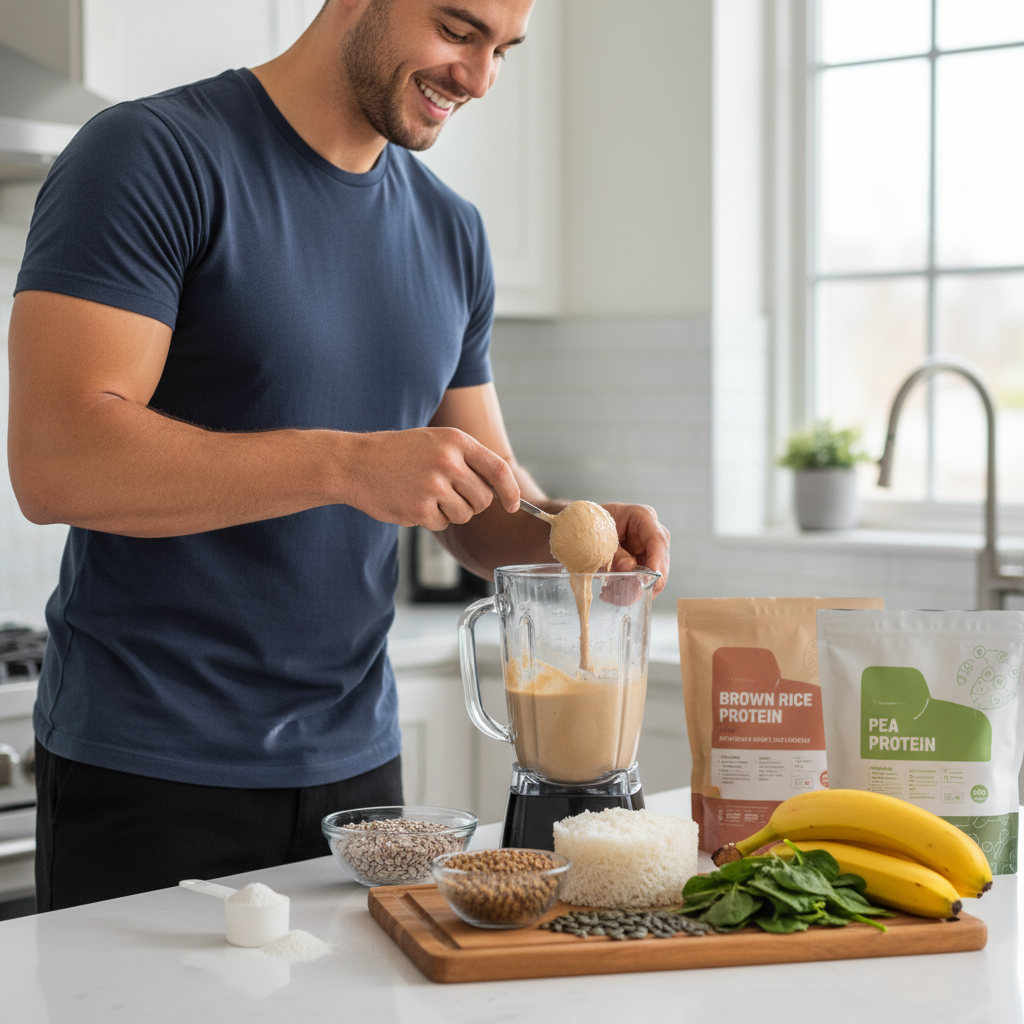
For decades, the standard narrative in the fitness industry suggested that optimal muscle hypertrophy was reserved for those consuming animal-derived proteins. As a sports scientist, I have watched the evolution of nutritional research move away from this reductive view. Today, we understand that muscle protein synthesis (MPS) is not dependent on the source of the amino acids, but rather the molecular profile and bioavailability of the nutrients ingested.
The Leucine Threshold and Amino Acid Profiling
The primary concern regarding plant-based nutrition for athletes is the 'completeness' of protein. Most plant sources are limited in one or more essential amino acids (EAAs), particularly methionine, lysine, or the critical branched-chain amino acid, leucine. Leucine acts as the primary chemical switch for the mTOR pathway, which signals the body to begin repairing and building muscle tissue. Research suggests that a 'leucine threshold' of approximately 2.5 to 3 grams per meal is necessary to maximize MPS.
To achieve this on a plant-based diet, athletes must focus on protein complementarity. While a single source like lentils might be low in certain aminos, combining them with rice or seeds creates a full EAA profile. Furthermore, utilizing high-quality plant-based isolates (like pea and brown rice blends) can provide an amino acid density comparable to whey. Before adjusting your intake, it is essential to determine your baseline energy needs using a BMR Calculator to ensure you are supporting your metabolic rate.
Bioavailability and Digestibility Scores
Not all protein ingested is absorbed. The Protein Digestibility Corrected Amino Acid Score (PDCAAS) and the more recent Digestible Indispensable Amino Acid Score (DIAAS) highlight that plant proteins often have lower digestibility due to fiber and anti-nutrients like phytates. For the serious athlete, this means volume matters. If your goal is hypertrophy, you may need to consume 10-20% more total protein compared to an omnivore to account for these digestive losses.
Strategizing your intake around your workout library sessions is vital. By increasing the volume of high-quality plant proteins during the peri-workout window, you offset the slower transit time of plant-based whole foods, ensuring a steady stream of amino acids into the bloodstream when the muscles are most receptive.
Micro-Nutrient Density: The Plant-Based Advantage
While the focus is often on macros, the true power of a plant-rich diet lies in its phytonutrient density and its effect on systemic inflammation. Hard training induces oxidative stress. The high concentration of antioxidants found in leafy greens, berries, and cruciferous vegetables acts as a natural buffer, potentially reducing Delayed Onset Muscle Soreness (DOMS).
- Nitrates: Found in beets and arugula, these improve nitric oxide production and mitochondrial efficiency.
- Polyphenols: Found in tart cherries and turmeric, these aid in rapid inflammatory recovery.
- Magnesium: Abundant in pumpkin seeds and spinach, critical for over 300 enzymatic reactions, including protein synthesis.
Integrating these into your Daily Smarty Ritual ensures that you aren't just hitting your caloric targets, but you are also optimizing the hormonal environment required for fat loss and muscle gain simultaneously.
Strategic Supplementation for the Vegan Athlete
Even with a meticulous whole-food approach, certain gaps often persist in a strictly plant-based protocol. Vitamin B12, Vitamin D3, and Creatine Monohydrate are the three pillars of supplementation for the vegan lifter. Specifically, Creatine is a nutrient primarily found in red meat; therefore, plant-based athletes often see a significant performance 'bump' when they begin supplementing, as their baseline stores are typically lower.
Iron and Zinc also require monitoring. Plant-based (non-heme) iron is less readily absorbed than heme iron from animal products. To bypass this, consume your iron-rich legumes and grains with a source of Vitamin C, which can triple the absorption rate of non-heme iron. This ensures your oxygen transport remains at peak levels during heavy lifting.
Caloric Equilibrium and Growth
One of the most common pitfalls I see as a CSCS is the 'volume trap.' Plant-based foods are highly satiating and low in caloric density due to their fiber content. This is excellent for fat loss but can make it difficult for ectomorphs or high-performance athletes to consume enough energy to maintain a surplus. To avoid accidental undereating, use a Calorie Calculator to audit your actual intake versus your expenditure.
If you find yourself struggling to hit your totals, focus on calorie-dense plant foods like avocados, nuts, seeds, and extra virgin olive oil. These healthy fats provide the hormonal precursors necessary for testosterone production, which is a key driver in any strength-building program.
The Long-Term Outlook
A plant-based diet for fitness is not a limitation; it is an alternative framework that requires slightly more precision in planning. By focusing on leucine thresholds, increasing total protein volume to account for digestibility, and leveraging the anti-inflammatory power of micronutrients, you can build a physique that is as functional as it is aesthetic. Performance science shows that the body recognizes nutrients, not labels—feed it the right building blocks, and the results will follow.