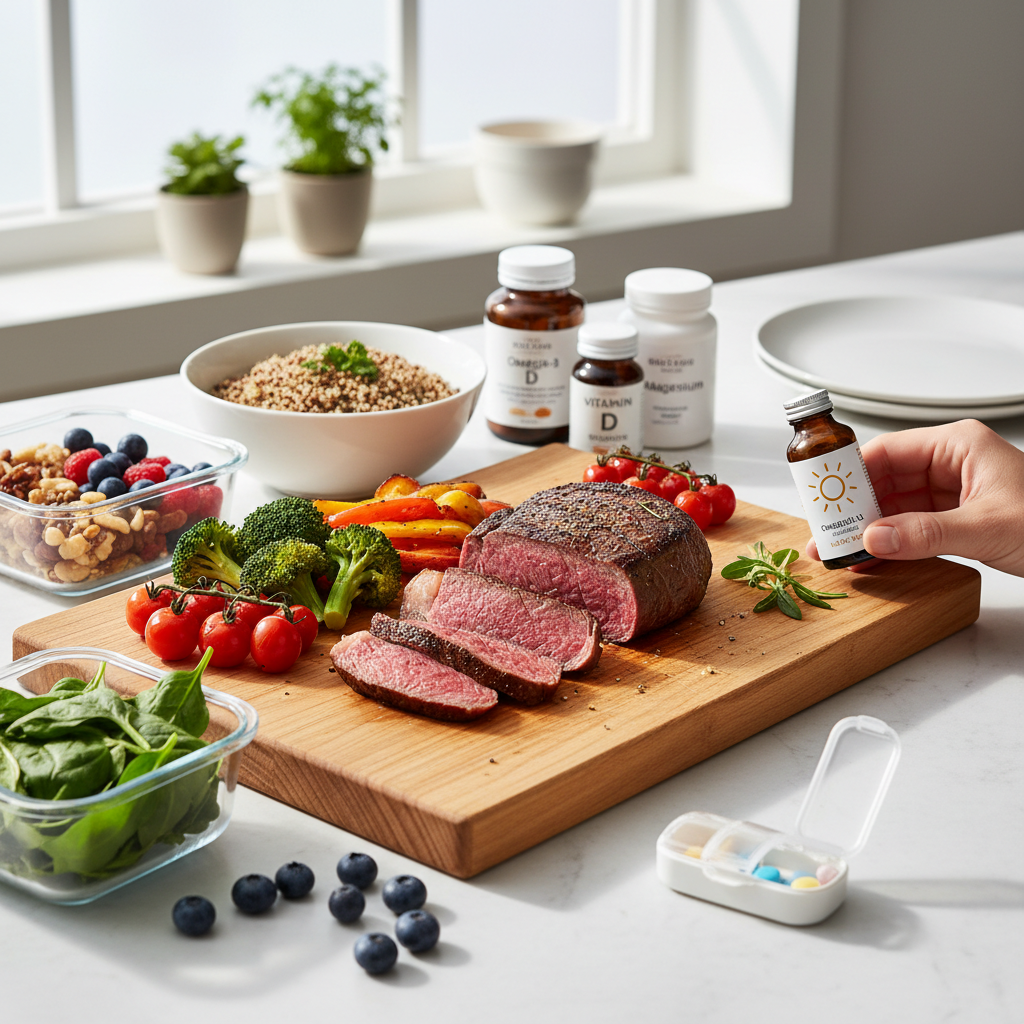
For half a century, the message was simple: red meat raises cholesterol, cholesterol causes heart disease, therefore red meat causes heart attacks. It became dietary gospel. It also turned out to be a massive oversimplification — and in many cases, simply wrong.
This is not a fringe claim anymore. Modern cardiology, lipidology, and nutrition research have spent the last 15 years quietly dismantling the original story. The headlines just haven't caught up.
The Original Theory — and Why It Was Flawed
The "diet-heart hypothesis" was built mostly on Ancel Keys' Seven Countries Study in the 1950s — a study that cherry-picked nations that fit the conclusion and ignored those (like France) that didn't. From that flawed foundation we got 50 years of low-fat, low-red-meat dogma. Heart disease did not decline. Obesity, diabetes and metabolic dysfunction exploded.
What Actually Predicts Heart Disease
Total cholesterol is almost useless on its own. The markers that genuinely matter today are:
- ApoB — the count of atherogenic particles
- Lp(a) — a genetically inherited lipid risk factor
- Triglyceride / HDL ratio — a brilliant proxy for insulin resistance
- Oxidized LDL — not LDL itself, but the damaged form of it
- HbA1c, fasting insulin, waist circumference — metabolic health
- Inflammation markers like hsCRP
Notice what is not on that list: "how much red meat you ate last Sunday."
So What Actually Damages Arteries?
The honest, modern picture: arterial damage is driven by chronic inflammation, insulin resistance, oxidative stress, and elevated apoB particles — not by the saturated fat in a grass-fed steak. The real dietary culprits are:
- Ultra-processed foods and industrial seed oils
- Refined sugar and refined flour
- Chronically high insulin from constant snacking
- Trans fats (still hiding in many packaged products)
- Alcohol in excess
A steak with vegetables is not in the same universe as a daily diet of soda, seed-oil-fried snacks and refined carbs.
Quality of Meat Matters — A Lot
"Red meat" is not one thing. There is a massive difference between:
- Grass-fed, unprocessed beef or lamb — rich in protein, B12, iron, zinc, creatine, CoQ10, omega-3s
- Industrial processed meats — nitrates, fillers, sugars, additives, often paired with refined buns and sugary sauces
Lumping the two together in epidemiology is a scientific embarrassment. They behave completely differently in the body.
What About Statins?
Statins have a role in secondary prevention (people who have already had an event). Their use in healthy adults with mildly elevated LDL is far more controversial than the public is told. The decision should be individualized — based on apoB, Lp(a), calcium score, metabolic health and family history — not a single LDL number on a routine blood test.
The Bottom Line
Eat real food. Build meals around quality protein (including red meat, eggs, fish, poultry), vegetables, fruit, legumes, and healthy fats. Eliminate ultra-processed garbage, fix your insulin sensitivity through training and sleep, and ask your doctor for the modern lipid panel — not just total cholesterol.
Use the Calorie Calculator to anchor portions and the BMR Calculator to know your real metabolic baseline. Then train consistently with our training programs and protect long-term metabolic health with the Daily Smarty Ritual.
This article is educational and not medical advice. Please review our health disclaimer and consult your physician before changing diet or stopping medication.