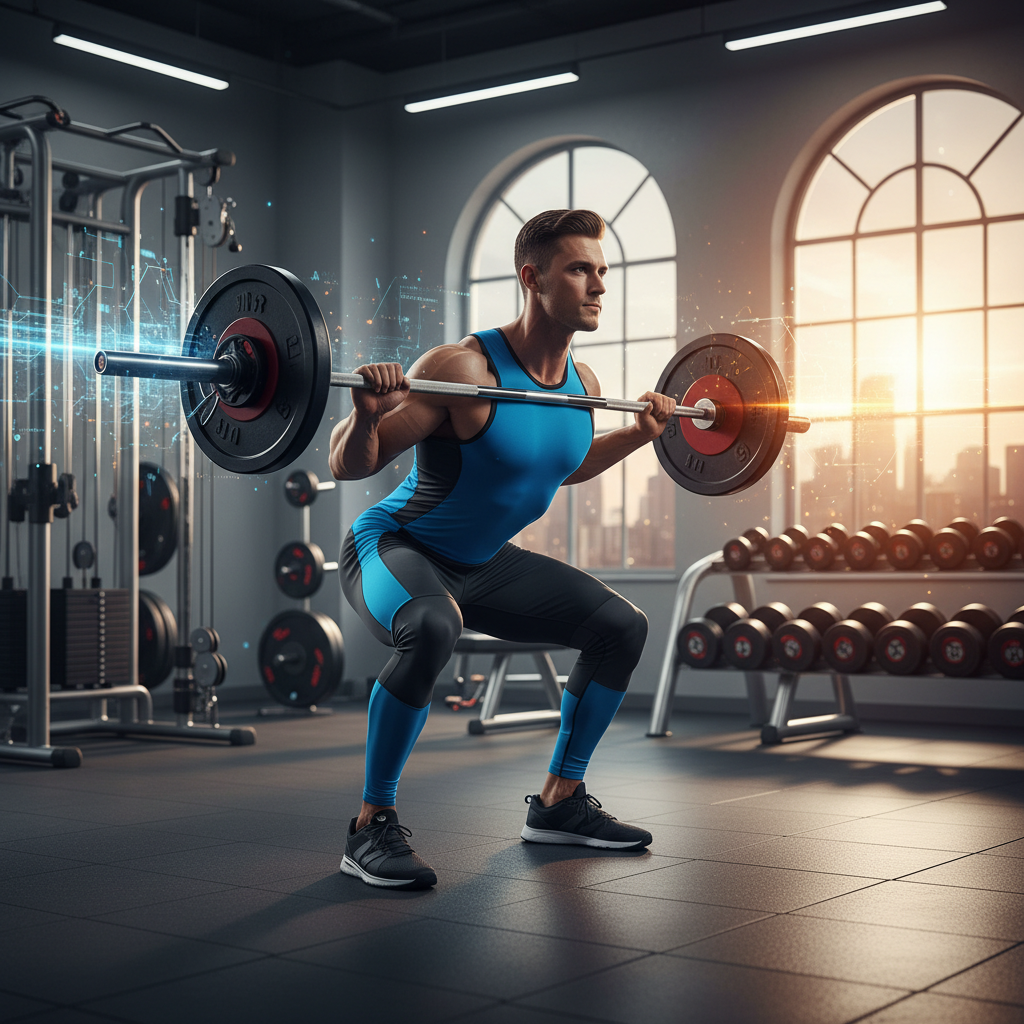
Strength isn't just about lifting heavy weights—it's a fundamental quality that impacts every aspect of your health, longevity, and daily function. Whether you're an athlete or simply want to age gracefully, getting stronger should be a priority.
Why Strength Matters for Everyone
Strength is the foundation of all physical capabilities. It improves bone density, supports joint health, enhances metabolic function, and reduces injury risk. As we age, maintaining strength becomes critical for independence and quality of life. Learn more about why muscle is your body's hidden health system.
The Science of Getting Stronger
Strength gains come from two primary adaptations: neural efficiency (your nervous system gets better at recruiting muscle fibers) and muscular hypertrophy (muscles grow larger). Early strength gains are mostly neural, which is why beginners see rapid progress. Track your improvements with our One Rep Max Calculator.
Principles of Effective Strength Training
Progressive overload is non-negotiable—you must consistently challenge your muscles with increasing demands. Focus on compound movements (squats, deadlifts, presses, rows) that train multiple muscle groups simultaneously. Our strength-focused workouts are built on these principles.
Training Variables for Strength
For pure strength development, work in the 1-6 rep range with heavy loads (80-95% of your max). Rest 3-5 minutes between sets to fully recover. Frequency of 2-4 sessions per week per movement pattern optimizes adaptation. Follow a structured training program for best results.
Strength for Athletes
Every sport benefits from improved strength. It enhances power output, speed, and resilience to injury. Even endurance athletes benefit from strength training—stronger muscles are more efficient and fatigue-resistant.
Nutrition for Strength
Adequate protein (1.6-2.2g per kg bodyweight) supports muscle repair and growth. Sufficient calories fuel training performance. Use our Calorie Calculator to ensure you're eating enough to support your training. Our protein guide covers optimal intake strategies.
Start Building Strength Today
Whether you prefer bodyweight or equipment training, the key is consistency and progressive challenge. Explore our workout library to find the right training style for you.