In my two decades as a sports scientist, I've seen countless fitness trends come and go. Yet, one fundamental human desire remains constant: the desire to move through life with freedom and capability, regardless of age. We don't just want to live longer; we want to live better. We want to be able to lift our grandchildren, carry groceries up a flight of stairs, and get up off the floor with ease. This is the essence of functional independence.
Many people believe that a slow decline in physical ability is an inevitable part of aging. I’m here to tell you that while aging is a fact, significant functional decline is largely a choice. It's a product of inactivity, not chronology. The solution isn’t found in a mythical anti-aging pill, but in the deliberate, consistent application of small, intelligent habits. Today, we'll explore the science of habit stacking and how you can use it to build a body that serves you for a lifetime.
What is Functional Independence?
Functional independence isn't about achieving a specific body fat percentage or lifting a certain weight in the gym. It's about maintaining your autonomy and quality of life by preserving the physical capacity to perform Activities of Daily Living (ADLs). Think of it as the difference between lifespan (how many years you live) and healthspan (how many of those years are spent in good health and full function).
Our goal at SmartyGym is to maximize your healthspan. This requires training for the real world, focusing on foundational physical qualities:
- Strength: Primarily in the posterior chain (glutes, hamstrings) and core, which are crucial for lifting, carrying, and maintaining posture.
- Balance: The ability to control your body's position, which is the single most important factor in preventing falls.
- Mobility: The range of motion in your joints, allowing you to move freely without pain or restriction.
- Cardiovascular Health: The endurance to perform activities for extended periods without becoming breathless.
Training for functional independence means you're building a physical pension plan. Every squat, every balanced stance, and every walk is a deposit into your future quality of life.
The Science of Small Wins: Habit Stacking Explained
Knowing what to do is one thing; doing it consistently is another. This is where the behavioral science of habit stacking becomes our most powerful tool. Popularized by author James Clear, the concept is brilliantly simple: you anchor a new, desired habit to an existing, automatic one.
The formula is: After [CURRENT HABIT], I will [NEW HABIT].
This works because our brains are wired for efficiency. Existing habits have already paved strong neural pathways. By linking a new behavior to an established one, you don't need to rely on motivation or memory. The old habit becomes a trigger for the new one, automating the process and dramatically increasing your chances of success. The key is to start small—so small it feels almost effortless. We're not trying to add a 30-minute workout; we're trying to add a 30-second movement that, compounded over time, yields massive results.
Your Functional Independence Habit Stack
Here are practical examples of habit stacks you can implement immediately to start building your functional future. The goal is to sprinkle these “movement snacks” throughout your day. Pick one or two to start, and build from there.
The Morning Mobilizer Stack:
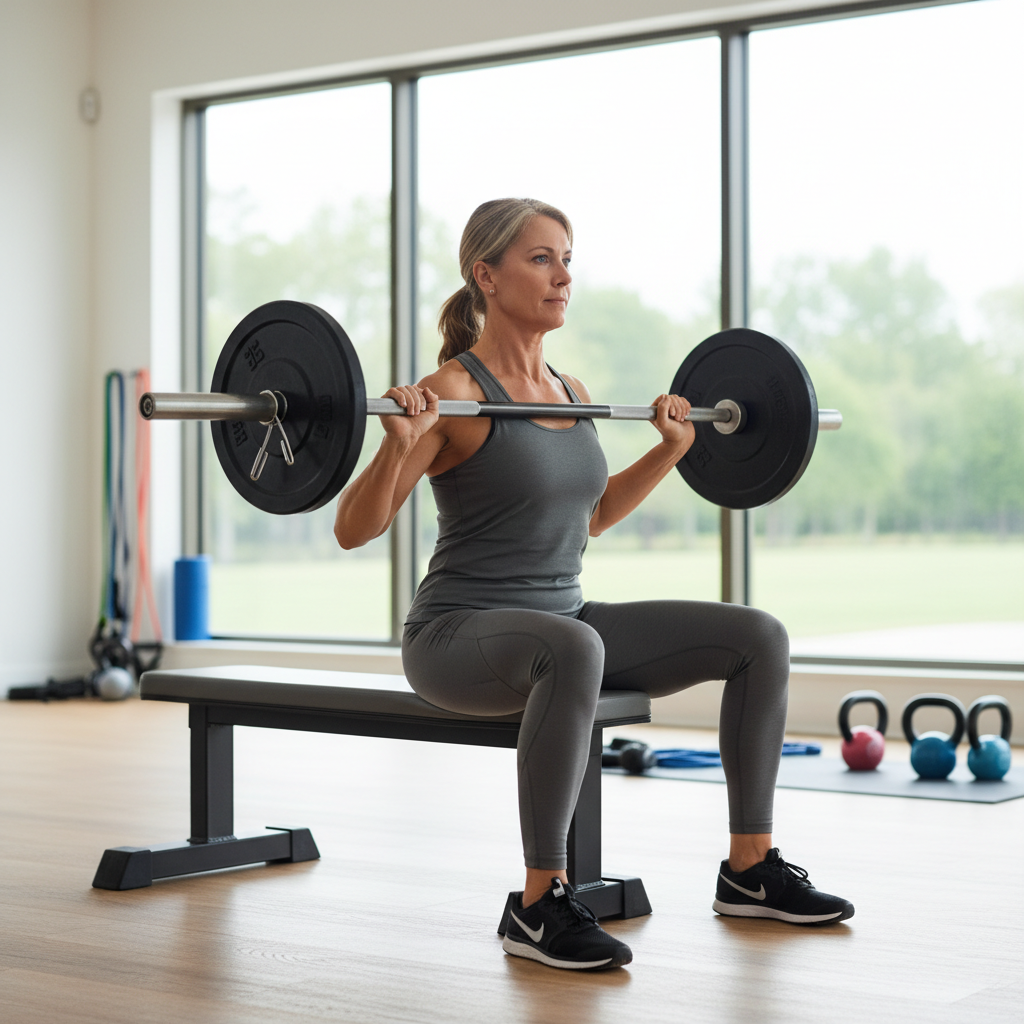
- After I get out of bed, I will perform 10 bodyweight squats to activate my legs and glutes.
- While my coffee is brewing, I will stand on one leg for 30 seconds each side to improve my balance.
- After I brush my teeth, I will do 5 cat-cow stretches to mobilize my spine.
The Mid-Day Posture Reset Stack:
- After I finish my lunch, I will walk up and down one flight of stairs three times.
- Every time I stand up from my desk chair, I will perform 3 deep diaphragmatic breaths to reset my core and nervous system.
- Before I sit back down, I will do 5 shoulder rolls and a 30-second chest stretch in a doorway.
The Evening Unwind Stack:
- After I take my shoes off at the end of the day, I will perform 10 glute bridges to counteract the effects of sitting.
- While I'm waiting for my dinner to cook, I will hold a 30-second wall sit.
- During the first commercial break of a TV show, I will stretch my hamstrings for 30 seconds on each side.
These micro-habits seem minor, but they add up. Performing 10 squats a day is 3,650 squats a year. That is a significant investment in your lower body strength and resilience.
From Micro-Habits to Macro-Gains
It's important to understand that habit stacking is not a replacement for a structured exercise routine; it's a powerful supplement. These micro-habits build a foundation of consistency, improve your movement quality, and keep your body primed for more demanding work. They are the connective tissue that holds your fitness journey together.
When you consistently perform these small movements, your body becomes more prepared for the work you do in your dedicated sessions. Your joints are more mobile, your core is more engaged, and your balance is more stable. This allows you to get more out of every workout and reduces your risk of injury. You can integrate these stacks seamlessly into your Daily Smarty Ritual, making them an automatic part of your high-performance lifestyle.
Think of habit stacking as the base of your performance pyramid. They provide the stability needed to build greater strength and endurance with our comprehensive training programs. By mastering the small, daily movements, you earn the right to tackle the bigger challenges.
Functional independence is your birthright. It's not something to be wistfully remembered, but actively cultivated every single day. The process starts not with a two-hour gym session, but with a single, intentional squat after you get out of bed. Start small, be consistent, and build a future where you are not defined by your age, but by your capability. Your future self will thank you for it.
Before beginning any new fitness regimen, it is essential to consult with a healthcare professional. Please review our health disclaimer and PAR-Q screening to ensure you are ready for physical activity.