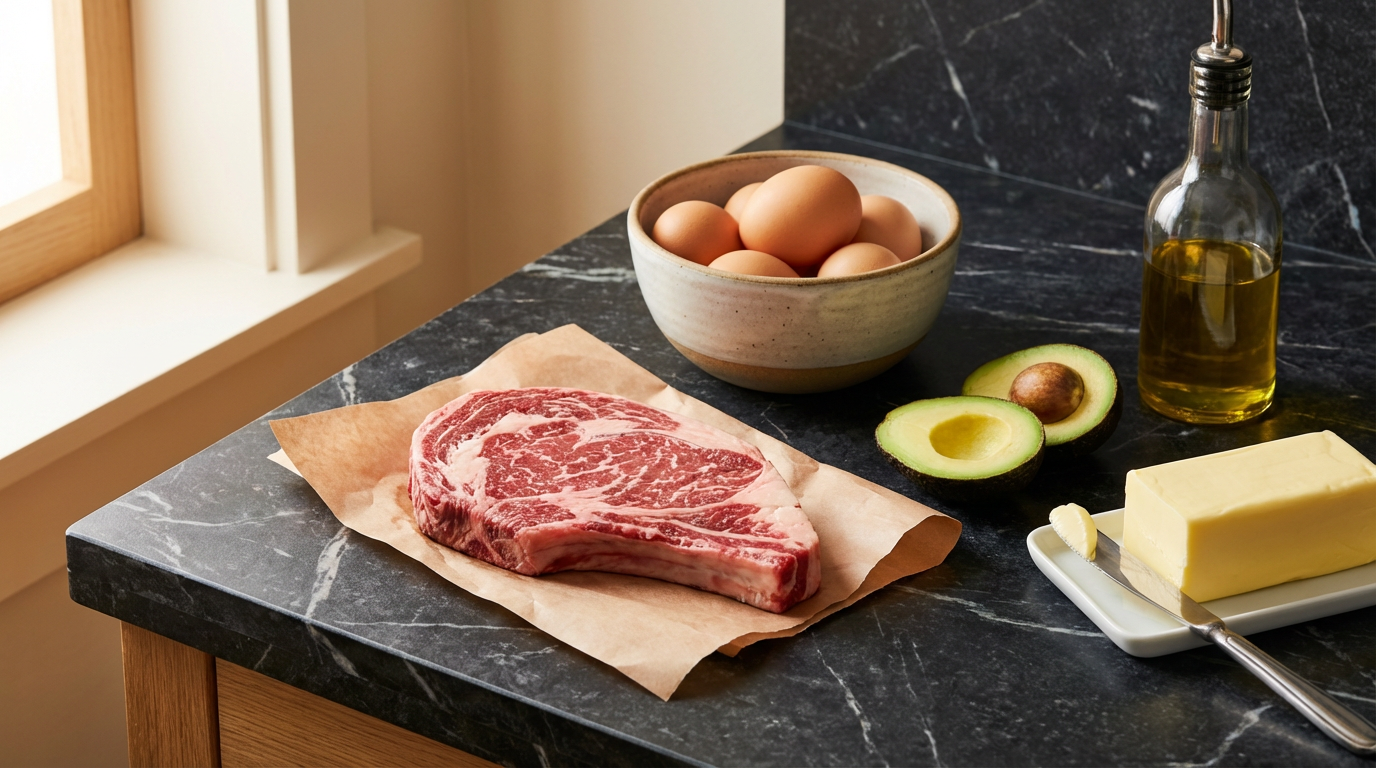
For over six decades, we've been told a simple story: eat cholesterol, get high cholesterol, die of a heart attack. This narrative — born from flawed research in the 1960s — has shaped dietary guidelines, terrified millions into avoiding eggs and red meat, and created a multi-billion dollar statin industry. But modern science is telling a very different story. One that's inconvenient for pharmaceutical companies, but potentially life-changing for you.
The Original Hypothesis & Where It Went Wrong
It all started with Ancel Keys and his famous Seven Countries Study (1958). Keys observed a correlation between dietary fat intake and heart disease deaths across seven countries. The problem? He cherry-picked those seven countries from data available for twenty-two. When researchers later analyzed all twenty-two countries, the correlation essentially disappeared.
Despite this, Keys' lipid hypothesis — the idea that dietary fat raises blood cholesterol, which causes heart disease — became dogma. It was embraced by the American Heart Association, embedded in government dietary guidelines, and for decades went largely unchallenged. The food industry removed fat from everything and replaced it with sugar and refined carbohydrates. The result? Obesity, metabolic syndrome, and type 2 diabetes rates skyrocketed.
A 2020 review published in the Journal of the American College of Cardiology concluded that dietary cholesterol has minimal impact on serum cholesterol for most people. Your liver produces roughly 80% of your body's cholesterol regardless of what you eat. When dietary intake goes up, hepatic production goes down — a self-regulating mechanism that Ancel Keys conveniently overlooked.
Oxidized LDL: The Real Culprit
Here's what your standard lipid panel doesn't tell you: not all LDL is created equal. There are two main types of LDL particles:
- Large, buoyant LDL (Pattern A) — relatively harmless, floats through your bloodstream without causing significant damage.
- Small, dense LDL (Pattern B) — easily penetrates arterial walls, highly susceptible to oxidation, and a genuine risk factor for atherosclerosis.
The real villain isn't LDL itself — it's oxidized LDL (ox-LDL). When small, dense LDL particles become oxidized through exposure to free radicals, processed seed oils (high in omega-6 linoleic acid), excessive sugar, and chronic inflammation, they trigger an immune response in the arterial walls. Macrophages engulf the oxidized particles, become foam cells, and that is what creates arterial plaque.
What drives LDL oxidation?
- Processed seed oils (canola, soybean, sunflower, corn oil) — high in polyunsaturated fats that are chemically unstable and easily oxidized
- High sugar and refined carbohydrate intake — drives insulin resistance and glycation of LDL particles
- Chronic inflammation — from poor sleep, stress, processed food, and sedentary lifestyle
- Smoking and environmental toxins
In other words, a person with "high" total LDL but low oxidation and low inflammation may be at far less risk than someone with "normal" LDL that is heavily oxidized. Your total cholesterol number, by itself, tells you almost nothing about your actual cardiovascular risk.
The Carnivore Paradox
If the cholesterol-causes-heart-disease hypothesis were correct, people eating a carnivore diet — consisting primarily of meat, eggs, and animal fats — should be dropping dead of heart attacks at unprecedented rates. They're not.
Physicians and researchers observing carnivore diet practitioners consistently report:
- Dramatically reduced triglycerides — often dropping from 150+ mg/dL to below 70
- Significantly elevated HDL — the "good" cholesterol that protects against cardiovascular disease
- Reduced CRP (C-reactive protein) — the gold standard inflammation marker
- Improved insulin sensitivity — reversing metabolic syndrome markers
- Improved triglyceride-to-HDL ratio — widely considered the most predictive lipid marker for heart disease risk
Dr. Shawn Baker, an orthopedic surgeon and carnivore diet advocate, has documented thousands of cases showing improved metabolic markers on an all-meat diet. Dr. Paul Saladino has extensively analyzed the ancestral and biochemical basis for animal-based nutrition. While total LDL may rise in some carnivore practitioners, their inflammatory markers plummet and their LDL particle profile shifts overwhelmingly toward the harmless large, buoyant Pattern A type.
This paradox makes perfect sense when you understand that it's not cholesterol itself that's dangerous — it's the metabolic environment that determines whether cholesterol particles become harmful.
Cholesterol Is Not the Villain — It's a Vital Molecule
Before we demonize cholesterol further, let's remember what it actually does:
- Hormone production — Cholesterol is the precursor molecule for testosterone, estrogen, progesterone, cortisol, and DHEA. Suppress cholesterol, and you suppress your endocrine system.
- Vitamin D synthesis — Your skin converts cholesterol into vitamin D when exposed to sunlight. Low cholesterol can mean low vitamin D.
- Brain function — Approximately 25% of your body's total cholesterol is in the brain. It's essential for synapse formation, memory, and cognitive function. Multiple studies have linked very low cholesterol levels to increased risk of depression, anxiety, and cognitive decline.
- Cell membrane integrity — Every single cell in your body uses cholesterol to maintain membrane structure and fluidity.
- Bile acid production — Essential for digesting and absorbing dietary fats and fat-soluble vitamins (A, D, E, K).
Cholesterol is so vital that your body produces it on its own, regardless of dietary intake. Treating it as a toxin to be suppressed is a fundamental misunderstanding of human biology.
The Multi-Factorial Reality of Heart Disease
Cardiovascular disease is not caused by a single biomarker. It is the product of multiple interconnected risk factors:
- Chronic systemic inflammation (measured by CRP, IL-6, homocysteine)
- Insulin resistance and hyperinsulinemia
- High triglycerides combined with low HDL
- Metabolic syndrome (abdominal obesity, hypertension, impaired glucose tolerance)
- Chronic stress and elevated cortisol
- Sedentary lifestyle
- Excessive consumption of processed foods, seed oils, and refined sugar
- Poor sleep quality
- Smoking
Cholesterol is one data point among many. Treating it as the sole indicator of cardiovascular risk is like diagnosing engine failure by checking only the oil light while ignoring the temperature gauge, fuel pressure, and the smoke coming from under the hood.
The most predictive markers for heart disease are the triglyceride-to-HDL ratio, fasting insulin levels, CRP, and coronary artery calcium (CAC) score — not total cholesterol or even total LDL.
Statins: More Harm Than Good?
Statins are the most prescribed class of drugs in the Western world, generating over $14 billion annually. They work by inhibiting HMG-CoA reductase, an enzyme your liver uses to produce cholesterol. They do lower LDL numbers on paper. But at what cost?
Documented statin side effects include:
- Muscle pain and myopathy — Reported in 10–30% of users. In severe cases, rhabdomyolysis (muscle tissue breakdown) can cause kidney failure.
- Cognitive decline — Memory loss, confusion, and brain fog have been reported frequently enough that the FDA added a warning label to all statins in 2012.
- Increased type 2 diabetes risk — A meta-analysis in The Lancet found a 9% increased risk of developing diabetes with statin use. Some studies show up to 46% increased risk in postmenopausal women.
- Liver damage — Elevated liver enzymes requiring monitoring.
- CoQ10 depletion — Statins block the same pathway that produces Coenzyme Q10, a molecule essential for mitochondrial energy production. CoQ10 depletion contributes to fatigue, muscle weakness, and potentially heart failure — the very condition statins are supposed to prevent.
- Hormonal disruption — By suppressing cholesterol production, statins can reduce testosterone, estrogen, and other steroid hormones.
- Tendon damage and peripheral neuropathy
The NNT (Number Needed to Treat) problem:
For primary prevention (people who have never had a heart attack), the data is sobering. According to TheNNT.com — an evidence-based medicine resource — statins prescribed for primary prevention over 5 years show:
- 1 in 104 patients is helped (prevented from having a heart attack)
- 1 in 154 is helped (prevented from having a stroke)
- 1 in 50 is harmed (develops diabetes)
- 1 in 10 is harmed (experiences muscle damage)
For secondary prevention (people who have already had a cardiovascular event), the numbers are more favorable. But for the vast majority of people being prescribed statins — relatively healthy individuals with elevated cholesterol numbers — the risk-benefit analysis is deeply questionable.
What Actually Protects Your Heart
The evidence is overwhelming: the most powerful cardiovascular protection doesn't come from a pill. It comes from how you live.
- Regular physical exercise — Both resistance training and cardiovascular training reduce inflammation, improve insulin sensitivity, raise HDL, lower triglycerides, reduce blood pressure, and improve endothelial function. Exercise is, quite literally, the only free medicine that is proven to work.
- Whole, unprocessed foods — Prioritize quality proteins, healthy fats (olive oil, avocado, grass-fed butter, fatty fish), vegetables, and eliminate processed seed oils and refined sugars.
- Stress management — Chronic stress elevates cortisol, drives inflammation, and worsens every cardiovascular risk factor. The Daily Smarty Ritual can help build consistent recovery habits.
- Quality sleep — 7–9 hours of restorative sleep is non-negotiable for hormonal balance, inflammation control, and cardiovascular health.
- Structured training programs — Progressive resistance training preserves muscle mass, strengthens bones, and maintains metabolic health as you age.
- Proper exercise technique — Training with correct form maximizes results while minimizing injury risk.
The Bottom Line
Cholesterol is not the enemy. It never was. The real enemies are chronic inflammation, metabolic dysfunction, sedentary behavior, and a processed food supply that has replaced real nutrition with engineered products designed for shelf life, not human health.
Before accepting a statin prescription based solely on a cholesterol number, ask your doctor about your oxidized LDL, your triglyceride-to-HDL ratio, your fasting insulin, and your CRP levels. Demand the full picture, not a single brushstroke.
And if you want the most effective, evidence-based, zero-side-effect intervention for cardiovascular health — start training. Your heart, your hormones, your muscles, and your mind will thank you.
Disclaimer: This article is for educational and informational purposes only and does not constitute medical advice. Never discontinue or modify prescribed medication without consulting your physician. Always discuss any dietary or lifestyle changes with a qualified healthcare professional. Read our full disclaimer.