In my 20-plus years as a sports scientist, I’ve seen one myth sabotage more progress than any other: the belief that relentless, high-intensity effort is the only path to success. The “no days off” mentality is a powerful motivator, but it’s also a direct route to burnout, injury, and stagnated performance. The real secret shared by elite performers isn’t how hard they train, but how smart they recover. It’s time we reframe recovery not as a passive absence of activity, but as an active investment in our capacity to perform. I call this the Resilience Dividend — the cumulative return you get on your physical and mental well-being from strategic, intentional rest.
The Biology of Recharging
When we talk about fatigue, most people think of sore muscles. But the real gatekeeper of your performance is your Central Nervous System (CNS). Every workout, every work deadline, and every personal stressor places a demand on your CNS. Chronic over-stimulation, even from positive sources like exercise, leads to CNS fatigue. This manifests as a lack of motivation, poor sleep, irritability, and a plateau in your training. You feel drained not just because your muscles are tired, but because your brain and nervous system are running on empty.
This is where active recovery shines. Unlike collapsing on the couch (which has its place), active recovery involves low-intensity activities specifically chosen to stimulate your parasympathetic nervous system — the “rest and digest” branch of your autonomic nervous system. Activities like a gentle walk, stretching, or deliberate breathing exercises down-regulate the “fight or flight” response. This process reduces stress hormones like cortisol, improves heart rate variability (HRV) — a key marker of resilience — and facilitates the flow of nutrient-rich blood to your tissues without creating more stress. It’s a biological reset button that accelerates repair and builds a bigger buffer against future stressors.
Your Active Recovery Toolkit
Building your Resilience Dividend requires a toolkit of practices you can deploy on designated recovery days or even in short bursts throughout a stressful week. The goal is to move your body and calm your mind without adding significant physiological load. Here are some of the most effective tools:
- Low-Intensity Steady State (LISS): This is the cornerstone of active recovery. Think 20-40 minutes of easy activity where you can comfortably hold a conversation. Options include walking outdoors, light cycling on a stationary bike, swimming, or using an elliptical at a low resistance. This increases circulation and aids muscle repair without taxing your CNS.
- Mobility and Myofascial Release: Using a foam roller, lacrosse ball, or engaging in dynamic stretching routines helps release tension in your fascia, the connective tissue surrounding your muscles. This can improve range of motion, reduce perceptions of soreness, and help reset movement patterns before your next heavy training session.
- Mindful Movement: Practices like yoga and Tai Chi are powerful because they combine low-impact movement with breathwork and proprioceptive awareness. They not only improve flexibility and balance but also train your brain to be present, quieting the mental chatter that contributes to cognitive fatigue. Incorporating elements of our Daily Smarty Ritual can be a perfect way to start or end your recovery day.
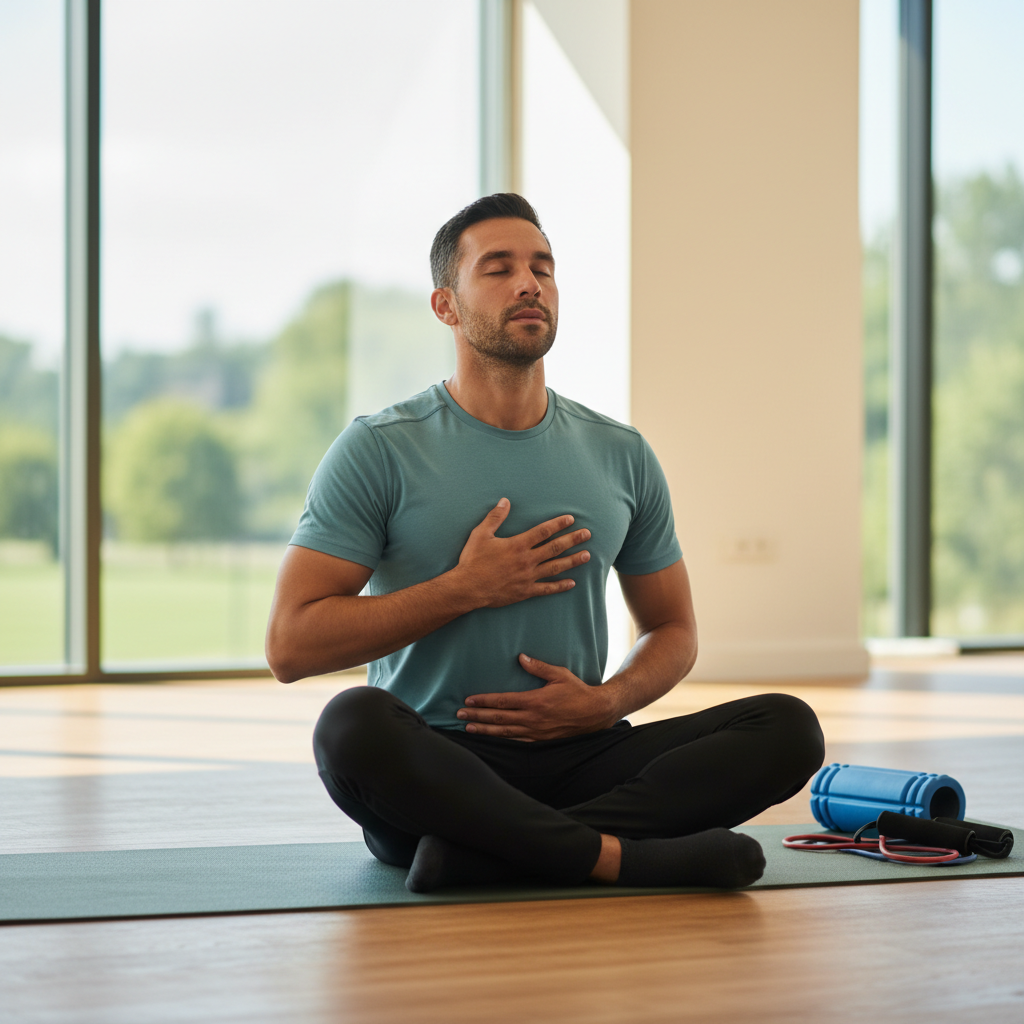
- Deliberate Breathing: This is the most accessible tool you have. Five minutes of slow, diaphragmatic breathing can have a measurable impact on your nervous system. By focusing on deep belly breaths with a longer exhale (e.g., 4 seconds in, 6 seconds out), you directly stimulate the vagus nerve, which tells your body it’s safe to relax and recover.
Beyond the Physical: Cognitive & Emotional Decompression
Your brain doesn't distinguish much between physical and mental stress. A brutal work project can be just as draining on your CNS as a max-effort deadlift session. Therefore, true recovery must also include cognitive and emotional decompression. If your “rest day” involves scrolling through stressful news or work emails, you’re not truly recovering.
One of the most potent strategies is what scientists call Non-Sleep Deep Rest (NSDR), a category that includes practices like Yoga Nidra or guided meditation. These protocols guide you into a state of profound relaxation that is physiologically restorative, helping to replenish dopamine and regulate your emotional state. Another powerful tool is simply getting into nature. A walk in a park has been shown to have significantly greater stress-reducing benefits than a walk in a dense urban environment, thanks to innate biological responses we have to natural settings. Engaging in a hobby, reading a book, or connecting with friends are also crucial forms of recovery. They provide a different kind of stimulation that allows the neural circuits used for intense work and training to rest and rebuild. For more ideas on balancing mental and physical health, explore our other blog articles on wellness.
Structuring Recovery for Real-World Results
Understanding these tools is one thing; implementing them is another. The key is to be as intentional with your recovery as you are with your training. A well-designed plan from our library of training programs will always have recovery and deload weeks built in, because they are non-negotiable for long-term progress. On these days, don't just be idle; be purposefully restorative. Pick one or two activities from the toolkit and dedicate time to them.
Listen to your body's biofeedback. Are you waking up feeling refreshed? Is your motivation to train high? How is your mood? These are better indicators of your recovery status than muscle soreness alone. If you feel mentally foggy and unmotivated, that's a clear signal from your CNS that it needs a break. Don't be afraid to swap a planned high-intensity session for an active recovery day. This isn’t weakness; it’s wisdom. This proactive approach to rest will pay massive dividends in your performance, longevity, and overall resilience to life’s challenges. As always, before beginning any new fitness or wellness protocol, it's wise to review our health disclaimer and PAR-Q screening to ensure it's appropriate for you.