
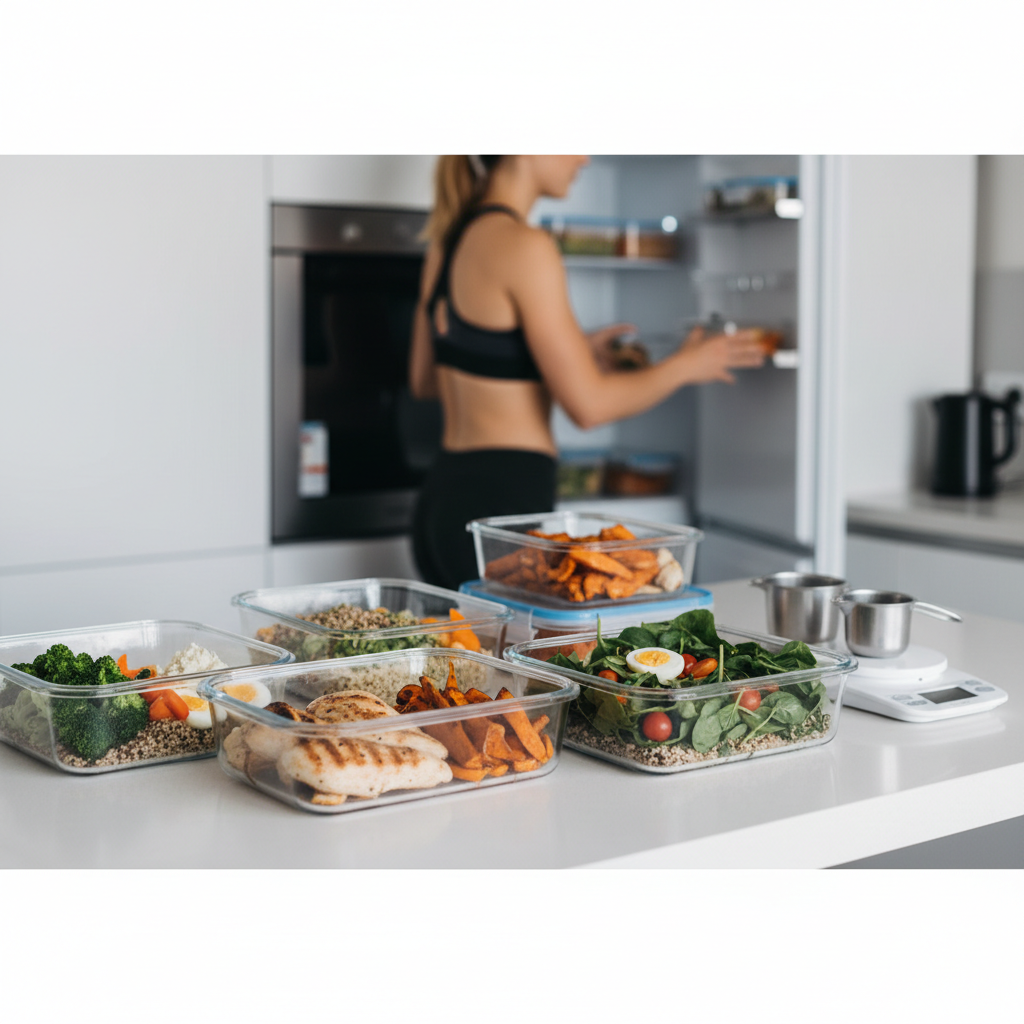
In the pursuit of peak physical condition, we meticulously program our training, track our sets and reps, and optimize our recovery. Yet, for many, nutrition remains a chaotic, reactive process. Grabbing what's convenient, guessing at portion sizes, and succumbing to decision fatigue at the end of a long day can sabotage even the most dedicated training efforts. The solution isn't just to 'eat clean'—it's to implement a system. This is the power of strategic meal prep: a proactive approach to nutrition that transforms your goals from abstract desires into tangible, daily actions. It's the ultimate tool for reclaiming control, ensuring every calorie you consume is a deliberate step toward your objective. As a sports scientist, I've seen firsthand that the athletes who achieve consistent, long-term results are the ones who master their kitchen logistics with the same intensity they bring to the gym.
The 'Why': Beyond Simple Convenience
While saving time is a clear benefit, the true power of meal prep lies in its profound physiological and psychological advantages. It's a system that builds a fortress of nutritional discipline, safeguarding your progress against the unpredictability of daily life. The most significant benefit is the dramatic reduction in decision fatigue. Research, including principles discussed in studies on self-regulation, shows that our capacity for making rational, goal-oriented choices diminishes throughout the day. By preparing your meals in advance, you eliminate dozens of food-related decisions, freeing up mental energy and making adherence to your plan nearly automatic.
From a physiological standpoint, meal prep is the key to nutritional precision. It allows you to move from estimating your intake to knowing it. This precision is non-negotiable for anyone serious about altering their body composition. Studies, such as a 2017 paper in the International Journal of Behavioral Nutrition and Physical Activity, have demonstrated a strong correlation between meal planning and higher diet quality, as well as healthier body weight outcomes. By controlling the ingredients and portions, you gain direct command over your macronutrient and micronutrient intake, ensuring your body receives the exact fuel it needs to build muscle, burn fat, and perform optimally. This systematic approach is the foundation of consistency, which is the undisputed driver of all long-term fitness success.
Phase 1: The Strategic Blueprint
Effective meal prep begins long before you turn on the stove. It starts with a clear, concise plan rooted in your specific goals. Are you in a muscle-building phase (caloric surplus), a fat-loss phase (caloric deficit), or a maintenance phase? Your objective dictates your entire nutritional strategy.
To achieve this, you must understand your unique energy needs. Every effective nutrition plan is built on the law of thermodynamics. Start by getting a baseline of your body's energy expenditure at rest using our BMR Calculator. From there, you can determine your total daily energy needs and goal-specific targets with our comprehensive Calorie Calculator. This data is the architectural plan for your meals.
Once you have your caloric and macronutrient targets, you can begin selecting recipes. Here are some tips for building your weekly menu:
- Align Nutrition with Training: Your nutrition must support your physical output. Ensure your plan provides adequate fuel for your sessions, especially if you're following one of our demanding training programs. Plan for higher-carbohydrate meals around your workouts to maximize performance and recovery.
- Prioritize Versatility: Choose recipes that share common ingredients. For example, grilled chicken can be used in a salad, a wrap, a rice bowl, or with roasted vegetables. This simplifies your shopping list and cooking process.
- Build a Master Shopping List: Group items on your list by store section (produce, protein, pantry, etc.) to make your shopping trip ruthlessly efficient. Buy versatile staples like oats, rice, quinoa, spices, and frozen vegetables in bulk to save money.
Phase 2: The Efficiency Engine
With your blueprint in place, it's time for execution. The goal here is maximum efficiency—to get the most done in the least amount of time. There are two primary methodologies for this, and the best approach often involves a combination of both.
The first is batch cooking. This is the classic approach where you cook several full meals in large quantities. Think of a large pot of turkey chili, a big batch of lentil soup, or a massive tray of chicken and vegetable stir-fry that you can portion out for the next few days. This method is simple, straightforward, and excellent for lunches or dinners.
The second, more flexible method is component prep. Instead of full meals, you prepare individual ingredients in bulk. This might look like cooking a large batch of quinoa, grilling a dozen chicken breasts, roasting a full sheet pan of broccoli and asparagus, chopping raw vegetables like bell peppers and cucumbers, and mixing a large jar of vinaigrette. You then store these components in separate containers. Each day, you can assemble a 'new' meal from these pre-cooked parts, which provides variety and prevents flavor fatigue. This is the preferred method for athletes who want more flexibility in their daily macro adjustments.
To execute this efficiently, treat it like a training session. Have your equipment ready: high-quality glass or BPA-free plastic containers, a reliable food scale, large sheet pans, and a slow cooker or pressure cooker can be invaluable tools. Work smart by using all your appliances simultaneously—roast vegetables in the oven while cooking rice on the stovetop and simmering a sauce.
Phase 3: Assembly & Optimization
How you store and assemble your meals is just as important as how you cook them. Proper storage ensures food safety and maintains the quality and taste of your food. Always allow cooked food to cool down partially before sealing and refrigerating or freezing to prevent condensation, which leads to sogginess and bacterial growth.
When using the component prep method, the art of assembly is key to an enjoyable meal. Avoid the dreaded soggy salad by storing your dressing separately. Keep crunchy toppings like nuts, seeds, or croutons in a small baggie or container until you're ready to eat. For bowls, layer your ingredients strategically: start with the grains, add the protein and cooked vegetables, and top with fresh greens and fats (like avocado) just before serving.
To combat flavor fatigue—the number one reason people abandon their meal prep—create a 'flavor station.' This is a collection of sauces, spices, fresh herbs, and garnishes you can use to customize your component-prepped meals throughout the week. A simple bowl of chicken, rice, and broccoli can become a Tex-Mex bowl with salsa and cilantro one day, and an Asian-inspired bowl with soy-ginger sauce and sesame seeds the next. This small step provides the variety necessary for long-term adherence.
Remember, your plan isn't set in stone. Your body and goals will change. Use your weekly prep as a check-in. If you're feeling sluggish, maybe you need to slightly increase your carb portions. If progress stalls, it might be time to re-evaluate your numbers. Meal prep gives you the control to make these small, calculated adjustments with ease.