
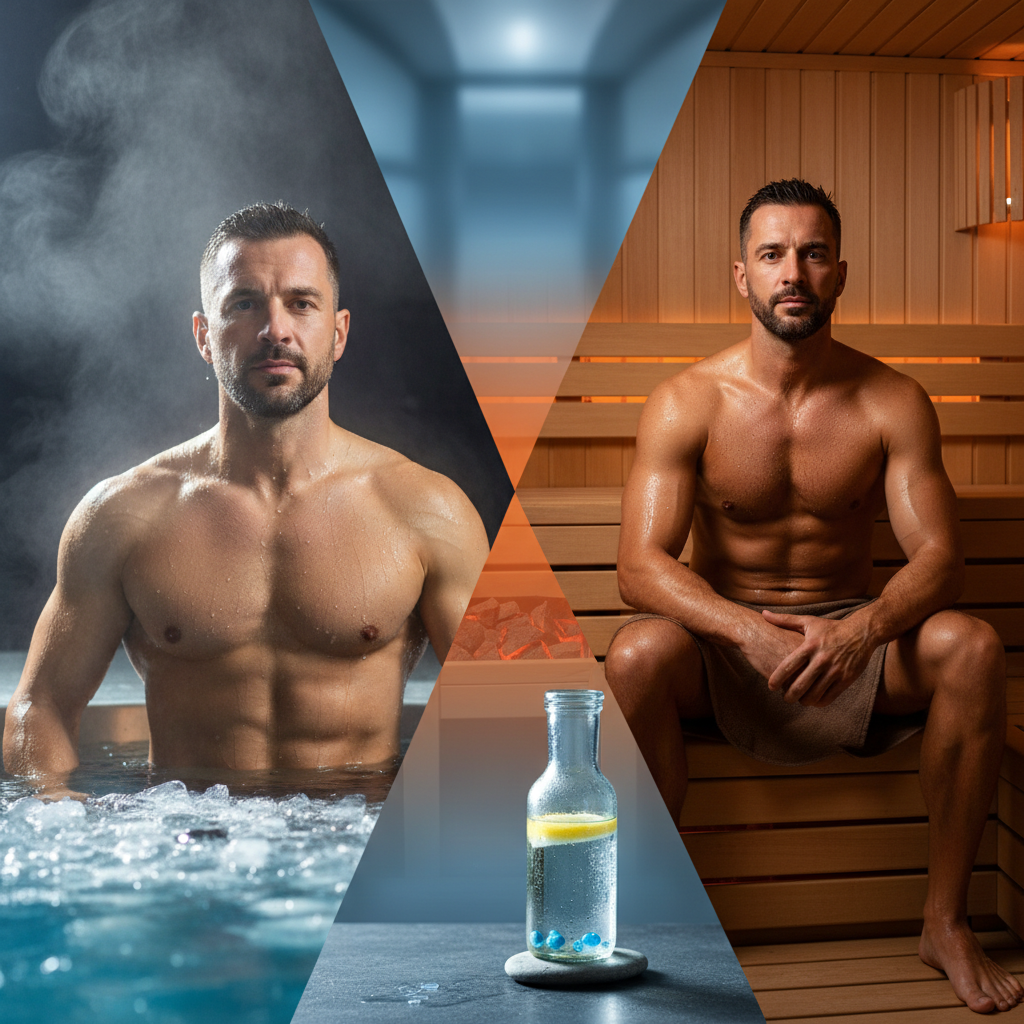
In the pursuit of peak performance, we often focus on what we put into our bodies or how hard we push them in the gym. However, some of the most profound physiological transformations occur not through movement, but through intentional environmental stress. This concept, known as hormesis, suggests that brief exposures to stressors—like extreme heat or cold—trigger biological adaptations that enhance overall resilience and longevity.
As a sports scientist, I have spent decades analyzing how external triggers influence internal states. Thermal hormesis, the strategic use of temperature contrast, is one of the most effective tools we have to sharpen the body's adaptive response. By integrating these protocols into your Daily Smarty Ritual, you can unlock a new level of systemic health that complements your physical training.
The Metabolic Impact of Cold Exposure
Cold exposure therapy, or cryotherapy, has moved from the fringes of professional sports recovery into the mainstream of wellness—and for good reason. When the body is exposed to cold water or air, it initiates a series of survival mechanisms. The primary response is the activation of brown adipose tissue (BAT), which, unlike traditional white fat, burns calories to generate heat through a process called non-shivering thermogenesis.
Clinical studies have shown that consistent cold exposure can significantly increase metabolic rate and improve insulin sensitivity. Beyond metabolism, the cold acts as a powerful stimulus for the nervous system. The rapid release of norepinephrine—a neurotransmitter that modulates attention and focus—can stay elevated for hours after a cold plunge, providing a mental clarity that rivals any stimulant. For those starting their journey with temperature stressors, I always recommend reviewing our health disclaimer and PAR-Q screening to ensure your cardiovascular system is ready for the stimulus.
The Longevity Benefits of Heat Therapy
While the cold sharpens the mind and boosts metabolism, heat therapy, particularly through sauna use, focuses on cardiovascular health and cellular repair. When we subject the body to high heat (typically between 160°F and 200°F), we trigger the production of heat shock proteins (HSPs). These proteins act as 'molecular chaperones,' ensuring that the proteins in our cells maintain their correct shape and function, which is critical for preventing degenerative diseases.
Research from long-term observational studies in Finland suggests that frequent sauna use is associated with a significantly lower risk of cardiovascular disease and all-cause mortality. The heat mimics a mild aerobic workout by increasing heart rate and inducing vasodilation. This 'passive' cardiovascular training is a perfect supplement to the high-intensity sessions found in our training programs, allowing for recovery without additional mechanical stress on the joints.
Synergistic Effects of Contrast Therapy
The real magic happens when you combine these two extremes. Contrast therapy—alternating between hot and cold environments—creates a 'vascular pump' effect. The heat causes peripheral vasodilation (widening of blood vessels), while the cold causes vasoconstriction (narrowing). This cycle flushes the lymphatic system and enhances the delivery of nutrient-rich blood to recovering muscle tissues.
- Increased Circulation: Rapidly shifts blood from the core to the extremities and back.
- Waste Removal: Accelerates the clearance of metabolic byproducts like lactate after heavy lifting.
- Autonomic Balance: Challenges the sympathetic nervous system (fight or flight) and reinforces the parasympathetic system (rest and digest) upon exit.
- Immune Support: Increases the production of circulating leukocytes and cytokines.
Implementing Thermal Stress Into Your Routine
Integrating these practices doesn't require an elite lab. You can begin utilizing thermal hormesis with simple modifications to your current lifestyle. However, it must be approached with the same periodization and respect as your strength training. Progression is key to avoiding systemic overreach.
For heat exposure, start with 10–15 minutes in a sauna 2-3 times per week, gradually increasing to 20 minutes as your heat tolerance improves. For cold exposure, a 2-minute cold shower at the end of your standard routine is an excellent entry point. If you have access to a cold plunge, a temperature of 50°F to 55°F for 3 to 5 minutes is the 'sweet spot' for most practitioners to achieve the desired hormonal and metabolic results.
The Psychological Edge of Temperature Control
Beyond the biology, there is a profound psychological benefit to thermal hormesis: voluntary hardship. Choosing to step into an ice-cold bath or a sweltering sauna builds a level of mental fortitude that translates directly to the gym floor. When you learn to control your breath and maintain a calm heart rate under the stress of extreme temperatures, you are essentially training your brain to handle any form of physical or emotional pressure.
This mental resilience is the bedrock of long-term fitness success. As we often discuss in our other blog articles, the body follows where the mind leads. By mastering your physiological response to temperature, you are taking a definitive step toward becoming a more hardy, capable, and optimized human being. Temperature is not just a comfort setting; it is a powerful lever for human potential.