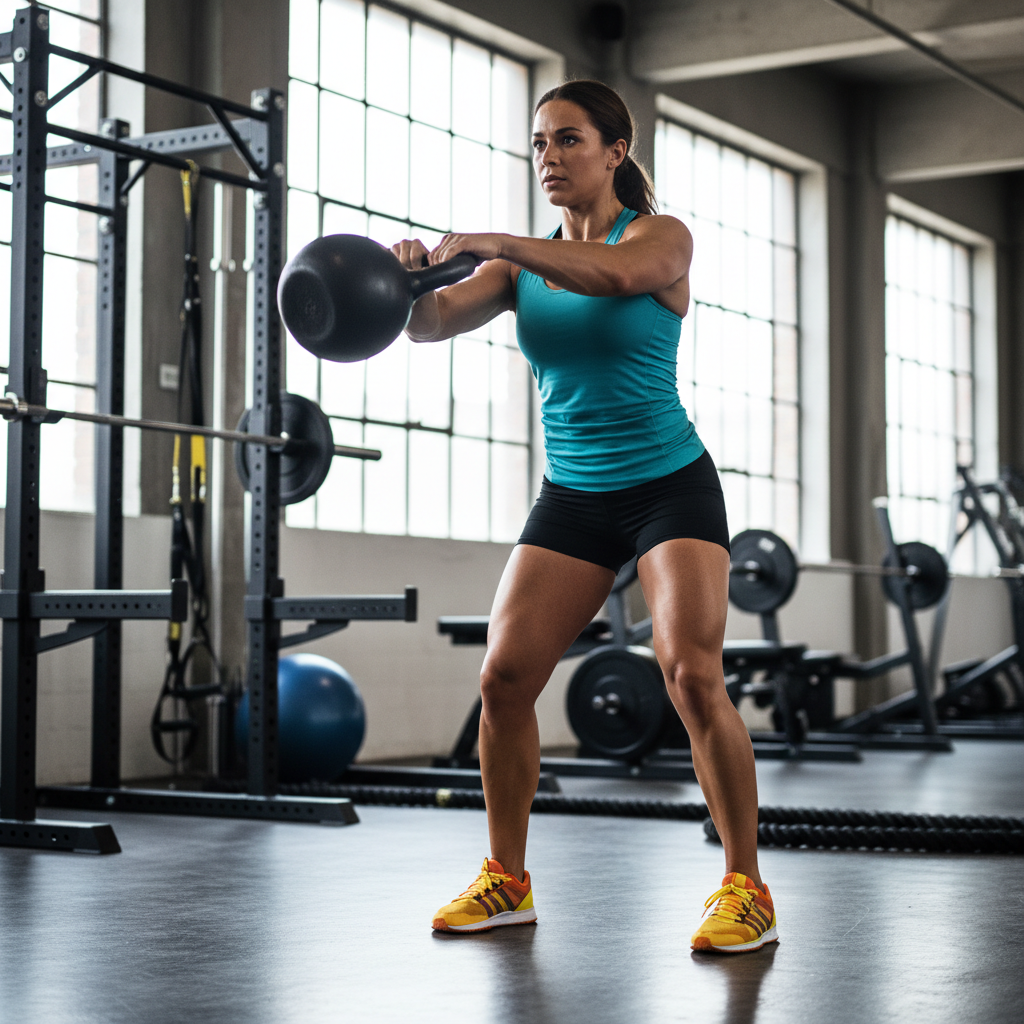
In the modern fitness landscape, there is often a significant disconnect between the strength built inside the gym and the ability to apply that strength in the real world. As a sports scientist with over two decades of experience, I have observed a recurring pattern: individuals who can perform heavy stationary lifts but struggle with multi-planar movement or unexpected physical demands. This is where the concept of functional resistance training becomes essential. It is not about standing on a Swiss ball; it is about training the body to move as a cohesive unit, mirroring the demands of daily life and high-performance sport.
The Biomechanics of Multi-Planar Movement
Traditional bodybuilding often prioritizes the sagittal plane—think of the standard bicep curl or leg press. However, human life happens in three dimensions. To build a truly resilient body, your training must incorporate the frontal (side-to-side) and transverse (rotational) planes. Research suggests that training across all planes of motion decreases the risk of injury and improves muscular recruitment efficiency. By utilizing our exercise library, you can find movements that challenge your stability and force production in ways that a standard machine-based circuit cannot.
Functional strength relies on the concept of neuromuscular efficiency. This is the ability of your nervous system to properly recruit the right muscles at the right time to produce force or reduce force. When we train multi-joint movements, we are essentially teaching the brain to map better movement patterns. This is superior for long-term joint health compared to isolated hypertrophy work alone.
Building a Foundation with Compound Patterns
The bedrock of any effective strength protocol involves the five primary human movement patterns: the squat, hinge, push, pull, and carry. These are not just gym exercises; they are the fundamental blueprints for how we interact with our environment. Scientific literature consistently shows that compound, multi-joint exercises elicit a greater hormonal response—specifically testosterone and growth hormone—than isolation exercises. This systemic benefit accelerates both fat loss and muscle acquisition.
To ensure you are lifting with the correct intensity to stimulate these physiological adaptations, it is vital to know your limits. Using a One Rep Max Calculator allows you to scientifically determine your training percentages. This data-driven approach ensures you are working at a high enough threshold to force adaptation without overreaching into a state of chronic fatigue.
The Role of Unilateral Training and Core Stability
One of the most overlooked aspects of functional fitness is unilateral strength. In daily life, we rarely use both legs or arms with equal weight distribution. Whether you are climbing stairs or carrying groceries, you are often in a split-stance or single-leg position. Incorporating lunges, split squats, and single-arm presses forces the core to act as a stabilizer rather than just a prime mover.
True core stability is the ability to resist unwanted motion (anti-extension, anti-rotation, and anti-lateral flexion). By training the core to remain rigid while the limbs move, you protect the spine and allow for a more efficient transfer of energy from the lower body to the upper body. This is the physiological basis of power. If you are looking for structured guidance on how to program these variables, our training programs offer evidence-based progressions tailored to these specific goals.
Energy System Development: Beyond Traditional Cardio
A truly functional body isn't just strong; it is metabolically efficient. While resistance training is the priority, integrating metabolic conditioning that mimics real-world intensity is crucial. This doesn't mean hours on a treadmill. Instead, focus on Work Capacity—the ability to perform a high volume of work in a short duration and recover quickly. High-intensity interval training (HIIT) combined with resistance movements provides a potent stimulus for cardiovascular health and mitochondrial biogenesis.
- Squat-to-Press: Combines lower body power with upper body vertical pushing.
- Farmer's Carries: Enhances grip strength, postural alignment, and lateral hip stability.
- Rotational Med Ball Throws: Develops explosive power in the transverse plane.
- Step-Ups: Directly translates to climbing and navigating uneven terrain.
Safety, Assessment, and Long-Term Progression
Before embarking on an intensive functional protocol, it is imperative to assess your current physical readiness. Movement quality should always precede load. Training through a dysfunctional movement pattern only reinforces that dysfunction and leads to eventual pathology. We always recommend that athletes review our health disclaimer and PAR-Q screening before attempting high-intensity or max-effort lifting sessions.
The goal of professional coaching and sports science is to maximize the "Minimum Effective Dose." You don't need to spend three hours in the gym if your training is focused on high-quality, high-transfer movements. By prioritizing compound lifts, multi-planar motions, and unilateral stability, you turn your body into a high-performance machine capable of handling whatever life throws its way. Consistency and scientific programming are the only two variables that truly guarantee long-term success.